Introduction
Every year, more than 70 billion animals will never feel the warmth of the sun or the taste of fresh grass. This is all due to the confinement of factory farming. Factory farming is used to increase profit while decreasing production costs. This is due to inhumane conditions in which significant numbers of cows, chickens, and pigs are raised in minuscule spaces, where they are most of the time unable even to take a step out of their confinement. These animals are unable to engage in normal animal behaviors and are essentially being raised for food. However, this extends beyond the animal’s life; it also affects the environment and human health. While factory farming provides cheap food, it has a devastating impact on animal welfare, human health, and the environment. This proves that the system must be changed and is unethical. The disconnection from humans and the food that we eat has been a massive problem in recent years and can even affect obesity as well as illness rates. Each piece of meat that is provided to us by factory farms goes way beyond just a piece of meat, but resembles a cruel system that affects so many different aspects, including our nutrition.
(Le, 2021)
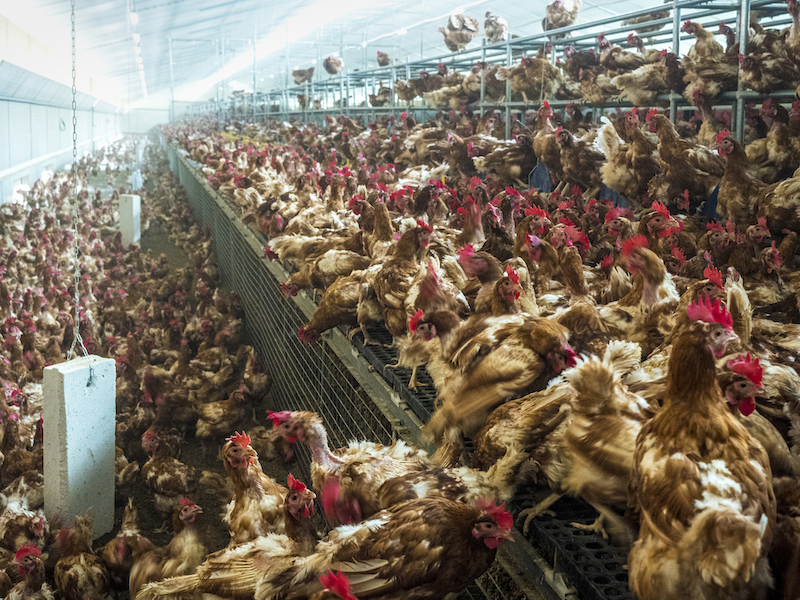
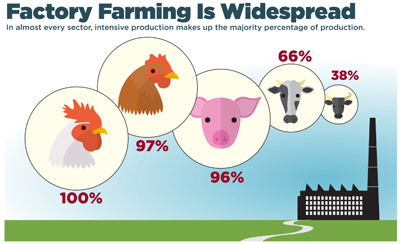
The picture above shows the living conditions of chickens in factory farming. They are raised in these conditions: small barns where they are confined, often with insufficient space, forcing them to be on top of each other, which sometimes results in broken bones. This suggests that factory farming prioritizes profit over well-being, as producing more chickens yields greater profit.
Animal treatment
One of the most disturbing aspects of factory farming is the treatment of animals at factory farms. These animals have no life beyond small spaces, where they are unable to take even a single step forward. Animals in these factory farms are often kept in conditions that allow them to live without causing any issues for the farmers. An example of this is that farmers will cut the beaks off chickens and turkeys. They do this because it prevents them from pecking at one another; however, the pecking is caused by the extreme stress they are under. There are also no federal laws that protect all of these animals against these cruel treatments. Companies label their meat so consumers think they are buying the better option. “Companies and advertisers take advantage of consumers’ worry for animals raised for food by creating upcharged, deceptive certifications and labels. Regardless of an animal’s enclosure increasing in size or what food they eat”(2). Even if consumers are aware of what factory farming entails and try to make informed decisions, companies exploit loopholes that make it challenging to purchase ethically produced meat. This lack of transparency in the food industry is frustrating for consumers, as it makes it difficult for them to make moral choices. On most of these packages, people are attracted to the brand’s promise of “grass-fed” and “cage-free” products. This is exceptionally frustrating for the person purchasing these products, as their intention to do better for the planet and the animals is often met with higher prices for the same quality of meat. These stores are exploiting their customers. “Meat labeled with sustainability and animal-raising claims represents one of the fastest-growing segments of the meat industry, and without clear labels, consumers are robbed of their ability to purchase in accordance with their values”(8). Despite the customer trying to do the correct thing, there is essentially no point. This also drives consumers away from ever trying to do the right thing because they are not getting what they paid for, and, in turn, it further harms awareness of factory farming. For a change to be implemented, it must be introduced into the system through transparency and an understanding of what customers are purchasing from these companies. The government must put stronger ties on these systems to make it illegal for animals to be treated this way, just so that they can be killed and eaten. Nothing will change in the treatment of these animals, as it’s public knowledge among consumers, and stricter laws are in place.

(G,p 2022)
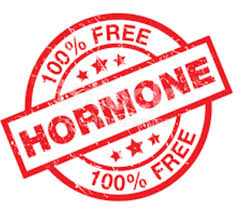
False labels, as shown in the images above, reveal how consumers are being misled and persuaded when they may be trying to make a more informed decision. These labels say “organic” and “grass-fed” when in reality, they have the same harmful parasites that factory farms have.
Environmental Risks
Factory farming harms not only animals but also poses serious environmental harm. The number of animals being crammed into these small spaces is a breeding ground for greenhouse gases, excess waste, soil degradation, nutrient runoff, and numerous other environmental issues. These factory farming operations make a lot of animal waste, which “ contains pathogens, as well as nitrogen, phosphorus, ammonia, and other pollutants that cause harmful algal blooms, threaten aquatic ecosystems, and impair drinking water. This waste can also end up as particulate matter in the air, raising rates of respiratory disease in nearby communities”(Farm Aid). The waste produced by these farms is far worse than just gross; it is highly toxic to both the environment and humans when it enters the air that we all breathe. When nitrogen, phosphorus, and ammonia are present in runoff and enter local waterways, they act like fertilizers, causing a wide range of problems. They create extremely harmful algal blooms, which are excessive algal growths that deplete water of oxygen, leaving none for fish or other aquatic animals. Algal blooms are hazardous and can even create “dead zones” where no aquatic species can live. There has been a massive transformation, with factory farming turning what once may have been beautiful, lively ecosystems into dead, malnourished zones.
(GG, 2021)
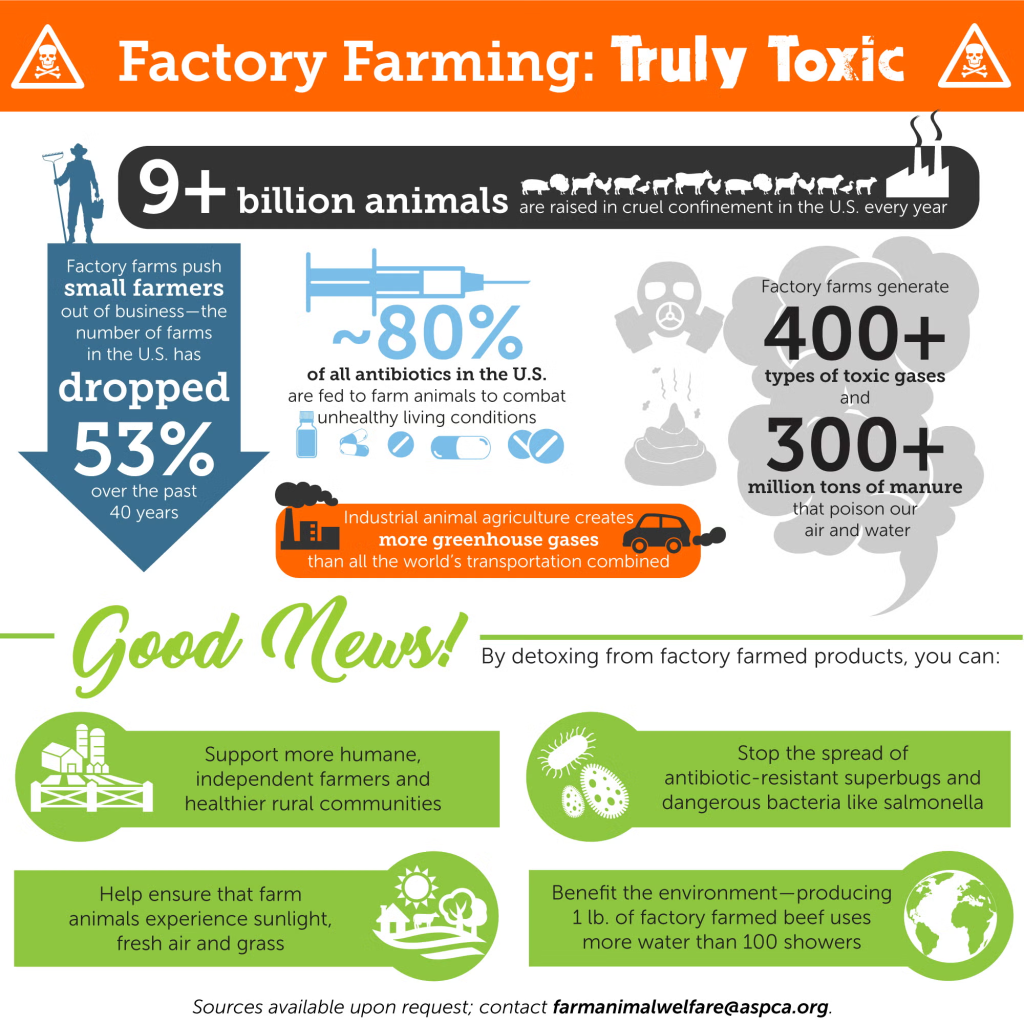
The image above shows the costs of factory farming, as well as the types of emissions and toxins it creates. It also includes a segment stating that factory farms are putting small farmers out of business.
Environmental imbalances
Furthermore, it not only deprives animals of water but also makes the water we humans drink unsafe. You may think this would be the end of the toxic water cycle; however, when contaminated water is used on felids, small particles are released into the air, which we ultimately breathe in. They are specifically referred to as particulate matter, and we often don’t even realize that we are inhaling these harmful substances. Breathing in these particles for a week heightens the risk of respiratory diseases. Even without a predisposed respiratory illness, these particles have the ability and toxicity to give you one. Factory farming is also detrimental to the soil, as it causes nutrient imbalances, soil structure erosion, and biodiversity loss. Some further issues are environmental racism, “These impacts are a form of environmental racism that has been well-documented since the 1990s; CAFOs are disproportionately built in majority Black, brown, and poor communities, where the effects of these operations contribute to health and economic inequities”(Farm aid). The harsh effect that these farms have on the environment are so detrimental that if there is not something that is done to educate the public about the consequences of “cheap meat” it will be far too late. We will face an even more severe environmental crisis than we already do. When buying meat, supporting small and local farms is one way to know where your food comes from and how it is produced. It may even be possible to take a tour around the farm to truly understand the connection between the animals and their living conditions. When one person starts making the right choice when buying their meat, it makes a difference; however, when it starts to go viral, and hundreds and then thousands of people begin to make a change, factory farms will have no way to hurt our systems because our supplies will not be giving them the funds on which they thrive off of.
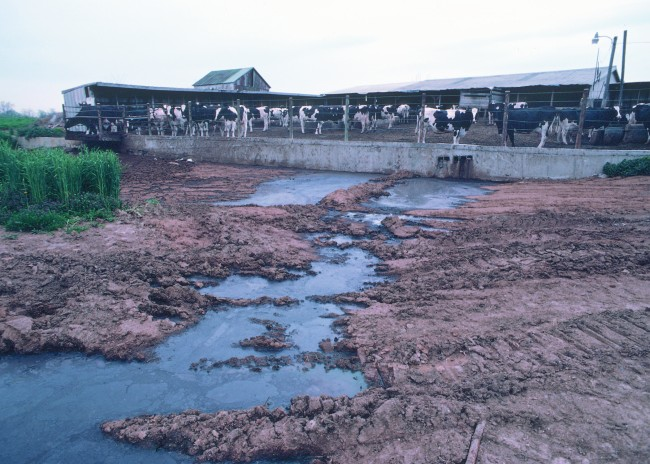
(GP, 2021)
The image above shows water contaminated by factory farming. Harsh chemicals and contaminants enter water systems, then become trapped in runoff, which in turn causes algal blooms and dead zones in waterways. This is very harmful.
Human Health
The sudden increase in industrial livestock farming raises serious health concerns for humans and poses significant risks. First off, these animals are being kept in tiny spaces in which bacteria rapidly spread from animal to animal, “very confined spaces in monotonously barren halls… this leads to illness, stress, frustration and behavioural disorders”(Tierschutzbund). These tiny spaces create zoonotic transmission. This occurs when a disease is transmitted from an animal to a human. The transmission of these diseases is extremely harmful to humans and can be very deadly. Additionally, antibiotic resistance is a huge issue that has roots in factory farming. Farmers will administer a variety of antibiotics to these animals to prevent the spread of bacteria between animals. However, this actually creates antibiotic resistance because it renders antibiotics ineffective when they are most needed. “A failure to maintain hygienic conditions on farms increases the risk of disease for both livestock and humans. … The overuse of antibiotics … also increases the risk of bacteria that are resistant to treatment”(Our world data). When we think that we are just eating a piece of chicken or meat, there is often far more linked and intertwined to that “piece of chicken”. When the meat is getting processed there are often big amounts of bacteria that last through the processing. This bacteria is harmful. When you think about the words, “you are what you eat” it makes you really look into what these animals’ diets are specifically. Most of these animals are raised on inexpensive soy and corn, rather than on natural, organic grass with a variety of nutrients. This is very deceiving because one may think they are getting a good protein source when, in reality, they are eating an extremely inflammatory piece of meat. Across Thailand’s wide variety of issues, from antibiotic resistance to the spread of illness, the health risks for humans associated with factory farming are extremely harmful and a crisis. By reducing the availability of factory-farmed meat and making what we consume more transparent and honest, we can improve human health. Food is meant to heal and make people feel more alive, rejuvenated, and better, not to harm and, in the end, do more harm than good. We must address this issue so we can start fueling our bodies with the nutrients they need.
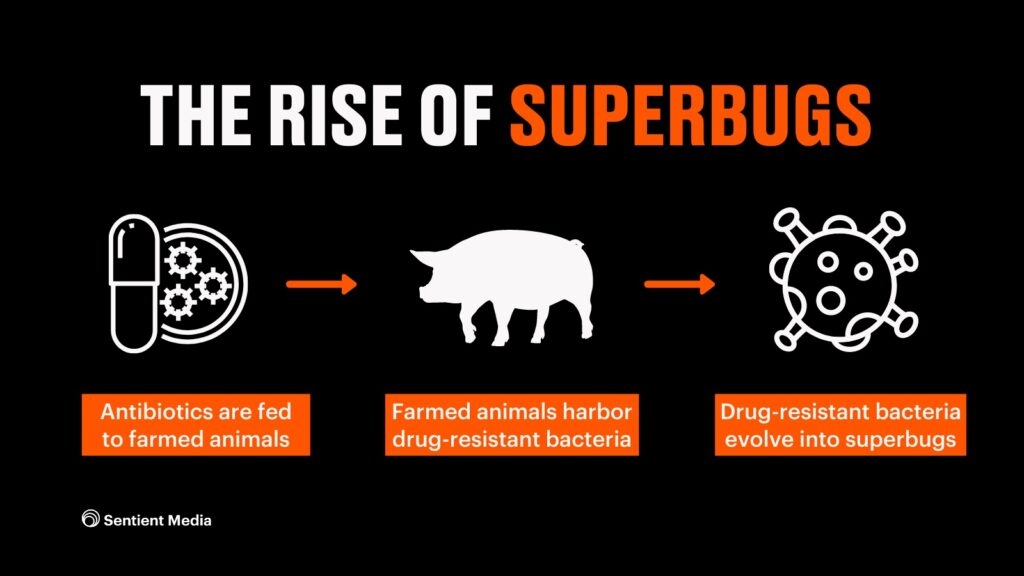
(gf, 2023)
The chart above illustrates how antibiotics affect and poison us through our food. It shows that what once started as taking an antibiotic can turn into a drug-resistant superbug.
Processed Foods Lack Nutritional Value
Factory farming takes out all of the nutrition that animal meat is meant to provide a human body with. When these animals are fed nothing but GMO soy and corn to fatten them up, this is precisely what will happen to the consumer. When meat from a sustainable farm was compared to meat from a factory farm, the meat from the factory farm was very high in unhealthy fats and very low in essential omega-3s, as well as antioxidants and minerals that meat should naturally have. Stress can make humans sick, and it has the same effect on animals. When animals are kept in these conditions and confined spaces, they experience enormous stress, which then affects how their bodies function, resulting in low-grade, low-quality meat. There is no way to keep these farms under control. “Industrial agriculture relies heavily on synthetic fertilisers, pesticides, and antibiotic practices that compromise soil health, water quality, and the nutritional integrity of the food we eat” (Farm Aid, 2024). This is all poisoning us humans one chemical at a time, as well as the environment. All of this processing strips the essential nutrients a human body needs to be healthy and functional right out of the food. This is highly deceptive because what one may cook as a very healthy meal may actually lack many essential nutrients. Since nutrients are stripped from meat, many people try to counter this by taking supplements or vitamins. When crops are grown in depleted soil and animals that we eat consume depleted food, vitamins are what people look to fill these nutritional gaps. Although the correct vitamins are not harmful to humans, they are not necessary; a nutrient-rich diet should be sufficient to meet the body’s needs. Factory farming has gone further than just stripping animals and soil of nutrients; it is now stripping humans of essential nutrients, leaving them to try to fill gaps that their diet should naturally provide. Overall, the extent to which humans are forced to rely on extra vitamins and supplements is alarming and concerning. There is always space for these supplements, which help our bodies function better, but they are currently being used to replace an entire diet, essentially. This is not a sign of progression; it is a sign of regression and what will lead to a sick population.
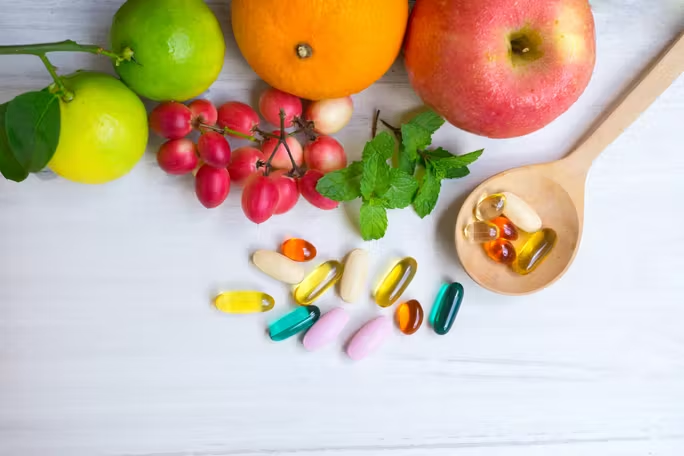
(PF, 2022)
This shows that when we prioritise cheap meat, we strip it all of the essential nutrients that the human body needs. It strips the meat of its healthy fats, oils, omega-3 fatty acids, minerals, and more. This leaves humans resorting to and relying on supplements to try to fill this nutritional gap.
Educating Young Children
Education about factory farming must begin early in developmental education, enabling students to understand its harms and make informed choices. When consumers purchase this meat in stores, they should be aware of what they are buying and the implications of their consumption. Almost all consumers are unaware that more than 70 billion animals worldwide are confined to factory farming (Our World Data, 2003). The public is largely unaware of this, so when they buy meat, they are primarily concerned with the price rather than the quality, which is precisely the issue with factory farming. Education from an early age can bridge the gap between the public and farms, exposing the problems factory farming has caused worldwide, including health issues, environmental concerns, and more. When consumers hear that, “factory farming means keeping a large number of animals of the same species in a small space in monotonous, barren halls. This leads to illness, stress, frustration, and behavioral disorders. The animals often have no opportunities to live out their natural behavior.” (Tierschutzbund) prompts them to reconsider their decision to purchase meat from these brands. By educating about these harms, they will begin to learn that the meat that they are consuming is not a natural, organic, down-to-earth process; it is a very gruesome and unregulated process.

(GG,2023)
This demonstrates that knowledge is power and that when we educate ourselves, we are empowered to make informed, well-informed decisions about what we choose to purchase.
Furthermore, it affects not only the quality of food people consume, but also the quality of food they could be having, as well as the quality of life for those who live near these farms. “Industrial agriculture creates waste lagoons, air pollution, and antibiotic resistance while pushing family farmers off their land. A more sustainable food system protects natural resources, promotes biodiversity, and strengthens local economies.” (Farm Aid, 2024). It may be too late to educate older generations about this, but if you start educating from a young age, these future adults will know how to make informed decisions when purchasing meat. We may be able to “help foster a food system that protects natural resources, promotes biodiversity, and strengthens local communities” (Farm Aid, 2024) by starting education from adolescence. One way to educate youth is to read a book to a classroom about how factory farming harms the environment and animals. A hands-on activity could be bringing students to school gardens and taking field trips to small sustainable farms.
Education will plant a seed in students’ minds about sustainable farming, and they may even become interested in it as a future career or hobby. There are various types of “animal-friendly husbandry,” which allow animals to express their natural behaviors and contribute to the sustainability of the farming system. This is a way to connect children with these worldwide issues (Tierschutzbund, n.d.). If schools around the world prioritize teaching students about the importance of access to organic, sustainable meat as they grow, there would be a significant change worldwide. A hands-on activity in class could be inexpensive field trips to gardens where students can plant their own carrots, see them grow, and then show them to their family, which also takes an interest in it. This would have a profoundly positive impact on the students’ lives and future. This would also allow students to develop empathy for the animals being harmed, as they will have a basic understanding of what is actually happening to them. Educating children early in life is more than just a lesson or an experience; it is a way to change the world. If these children are encouraged to make smarter choices, step by step, the world will become more sustainable, and factory farming will begin to decline. Raising children with awareness and transparency will lead to a smarter, more aware generation, which is detrimental to making change and being strong as a country.
Solutions
To address the issue of factory farming, which, at its core, prioritizes economic profit over the health of humans, animals, and the environment, adopting sustainable farming practices is necessary. Sustainable farming prioritizes the health of everyone involved and aims to make the process as peaceful and easy for the animals as possible. According to Farm Aid, “sustainable agriculture protects natural resources, promotes biodiversity, and strengthens local economies,” offering an alternative that benefits both people and the planet (Farm Aid). The way these sustainable farms can implement civil practices, such as prioritizing the whole lives of animals on pastures and grass, rather than in cramped spaces where they can hardly move. The animals also contribute to the soil by adding their manure, which acts as fertilizer, enriching the soil with nutrients. The German animal welfare federation notes that “animal-friendly husbandry allows animals to live out their natural behaviors and contributes to the sustainability of the farming system”(Tierschutzbund). On these sustainable farms, the animals experience a variety of pastures through rotational grazing and regenerative agriculture, which rebuilds topsoil while preventing runoff into water systems. Farmers can use the fertilizer produced by the animals to grow nutrient-rich crops in this soil. Animals raised on sustainable farms don’t need unnecessary, harmful antibiotics because they aren’t confined in small spaces. Sustainable farming can significantly reduce greenhouse gas emissions from factory farming and slow the spread of antibiotic resistance. A system must benefit all involved to be successful. “A more sustainable system values the health of farmers, animals, consumers, and the environment equally”(Farm Aid). Sustainable farming is a refreshing approach to raising animals for meat and providing nutritious food to the world. Supporting small organic farms, avoiding meat unless it comes from a local, sustainable source, and spreading awareness are the most beneficial ways to make a positive change and help our world become a healthier, more honest, and more sustainable place.
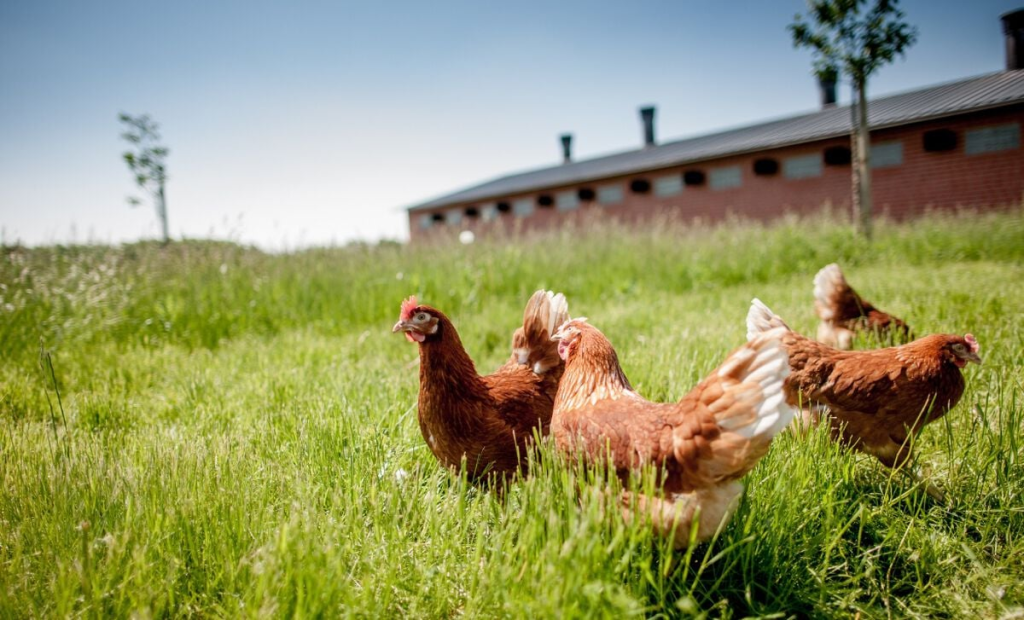
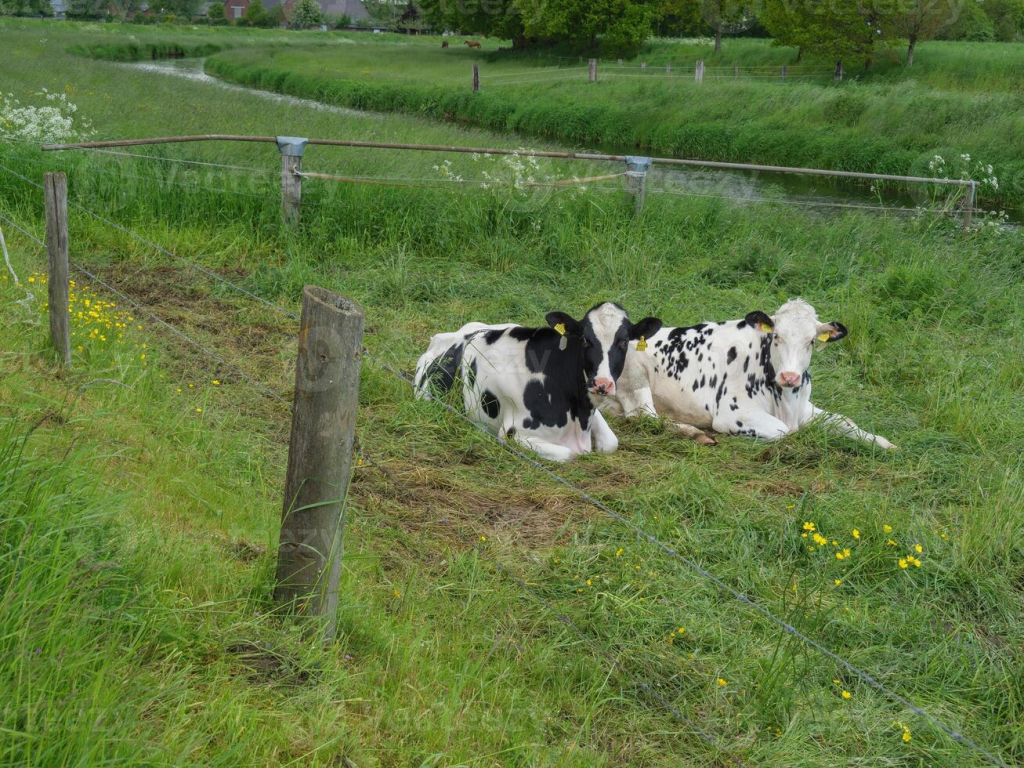
The image above shows how animals should be treated and how they should live. They should be treated in ways that allow them to move throughout the day, resulting in a much higher quality of life and a better product for humans to consume.
Conclusion
In conclusion, factory farming is primarily driven by profit, regardless of the environmental and animal welfare issues it may cause. This unsustainable farming prioritizes profit over our health as humans, our ecological health, and the lives of the animals that never get to live out their lives to the fullest. What was once rooted in trying to come up with ways to feed a significant population has turned into a system that is now killing populations. Many aspects of farming are affected from different angles. Animals are not allowed to live the life that they were put on this world to live. These companies are misleading humans and are overall misinformed, and our environment is suffering the consequences of these mass productions. This food system has left humans too malnourished, forcing them to rely on supplements to try to fill these gaps. To move forward, there is a pressing need to educate the younger generation so that, as they grow into adulthood, they are more aware of the correlation between health and factory farming, and can make informed decisions. The only way to ensure that the world is adequately nourished and that we preserve the environment, as well as care for the animals that graciously provide us with food and nutrients, is to move away from factory farming and toward small, organic, sustainable family farms.
To make a change in our world, the first step is to shift the priorities we hold. If the priority is money, like it continues to be with factory farming, it is impossible ever to make a change, which means we will live in a sick world and environment. There is no choice; change is necessary, and it must be done. Factory farming’s goal to feed a vast amount of cheap food is failing, and it is poisoning an enormous number of people, as well as the environment and the animals that are involved. Sustainable farming is the only other option, and it must be the favorable one. By supporting a sustainable arm, you are helping not only the farmer but also a healthy environment for you to live in and for your future generations. Declining to participate in factory farming is a moral decision that, once made, can have a profound impact on the world. Show your respect for the environment, animals, and your own health by supporting local farmers and attending local farmers’ markets. Educate a friend about this issue. Making these changes in your life will allow you to flourish and live a clean, non-toxic life.
This is the world that we must strive to have.
Bibliography
1)American Society for the Prevention of Cruelty to Animals. (2025). Factory farming: A recipe for disaster for animals & our planet. Retrieved September 18, 2025, from https://www.aspca.org/protecting-farm-animals/factory-farming-environment
2)Farm Sanctuary. (n.d.). Factory Farming. Retrieved from https://www.farmsanctuary.org/issue/factory-farming/
3)Anomaly J. (2015). What’s Wrong With Factory Farming?. Public health ethics, 8(3), 246–254. https://doi.org/10.1093/phe/phu001
4)FarmAid. (2024, February 2). Factory farms: Industrial agriculture/factory farms. Retrieved September 18, 2025, from https://www.farmaid.org/issues/industrial-agriculture/factory-farms/
5)Animal Welfare Institute. (n.d.). Inhumane practices on factory farms. Retrieved from https://awionline.org/content/inhumane-practices-factory-farms
6)Ritchie, H. (2023, September). How many animals are factory-farmed? Our World in Data. Retrieved September 18, 2025, from https://ourworldindata.org/how-many-animals-are-factory-farmed
7) Deutscher Tierschutzbund. (n.d.). What is factory farming? Retrieved September 18, 2025, from https://www.tierschutzbund.de/en/animals-topics/animals-in-agriculture/factory-farming/
8)American Welfare Institute. (2023, April 13). U.S. Senators urge USDA to address misleading food label claims. Animal Welfare Institute. https://awionline.org/press-releases/us-senators-urge-usda-address-misleading-food-label-claims
9)Anomaly, J. (2014). What’s wrong with factory farming? Public Health Ethics, 8(3), 246–254. https://doi.org/10.1093/phe/phu001
10)World Animal Protection. (2023). The hidden health impacts of industrial livestock systems: Transforming livestock systems for better human, animal, and planetary health. World Animal Protection. https://www.worldanimalprotection.org/globalassets/pdfs/reports/english/hidden-health-impacts.pdf
11) Food and Agriculture Organization of the United Nations. (2013). Tackling climate change through livestock – A global assessment of emissions and mitigation opportunities. FAO. https://www.fao.org/4/i3437e/i3437e.pdf
12)Compassion in World Farming. (n.d.). Health Impacts of Factory Farming on People. https://www.ciwf.org.uk/factory-farming/your-health/
13) People for the Ethical Treatment of Animals. (n.d.). Factory Farming: The industry behind meat and dairy. PETA. https://www.peta.org/issues/animals-used-for-food/factory-farming/