Audio Summary
Introduction
Electric Vehicles (EVs) are an emerging alternative to gas-powered vehicles, prompting questions about which is more sustainable overall. Are electric or gas cars better for the environment, economy, and consumers? This issue is important because transportation is a significant contributor to global greenhouse gas emissions, which harm the environment and human health. Costs and implementations also affect everyday drivers, the government, and companies. There are many issues surrounding the use of Internal Combustion Engine (ICE) vehicles, and EVs could reshape our world today in terms of economics, environment, and social impact.
What Are Electric Vehicles?
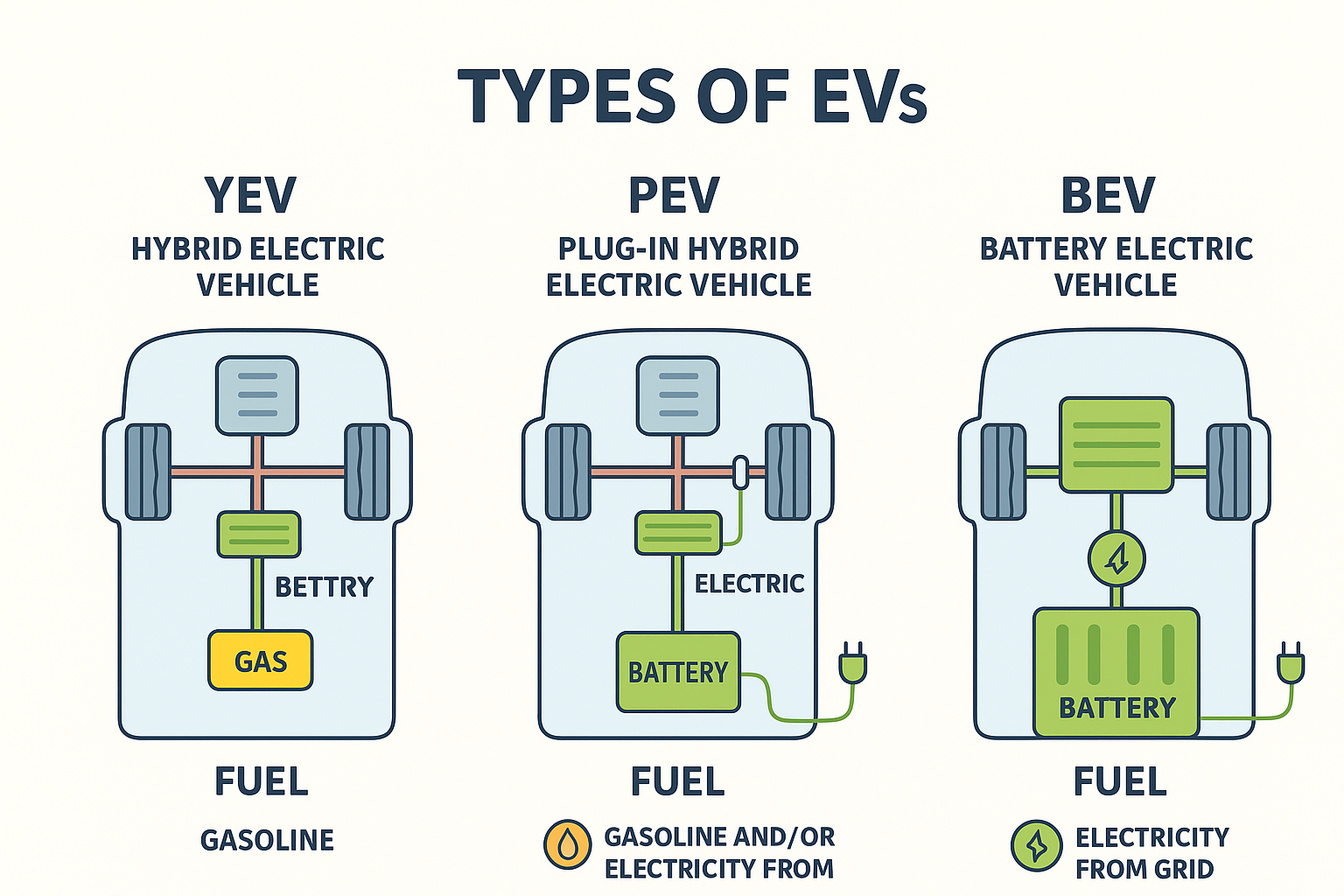
Electric vehicles are vehicles that are powered by electricity stored in batteries. Unlike their traditional gas-powered counterparts, EVs use electric motors powered by the car’s battery. These batteries are charged in many different ways. Some are charged by plugging the vehicle into a charging station. Others are charged through the car’s own braking mechanism. There are generally three main types of EVs. This includes Battery Electric Vehicles (BEVs), Plug-in Hybrid Electric Vehicles (PHEVs), and Hybrid Electric Vehicles (HEVs). BEVs are the most well-known electric vehicles. They are entirely electric and rely on their battery. BEVs can be charged at charging stations in certain areas. Similar to BEVs, PHEVs can also be charged at charging stations. The main difference between these two is that PHEVs have an internal combustion engine and an electric battery. It can seamlessly switch between these two power sources. HEVs, however, cannot be charged in the same way as the other two. HEVs use both electricity and gasoline, but the battery is charged through regenerative braking. Regenerative braking is the idea of reusing energy from braking to charge the battery. What about EVs’ impact on the environment?
Environmental Impact
Global greenhouse gas emissions are an underlying problem today. The increasing concentration of greenhouse gases in the atmosphere affects aspects of the climate in harmful ways and hurts human health. Both EVs and ICE vehicles emit these gases in their lifetime. ICE vehicles emit tons of greenhouse gas emissions throughout their lifecycles. Gases are emitted during production, vehicle operation, and disposal. However, EVs emit a lot fewer greenhouse gases than ICE vehicles overall.
Production Carbon Emissions
Producing EVs, especially their batteries, requires a substantial amount of energy and materials. These are materials like cobalt, lithium, and nickel. Manufacturing these vehicles emits significant amounts of greenhouse gases [10]. Some studies even show that 43% of an EV’s emissions are from its production, while an ICE vehicle’s production only accounts for 27% in its lifetime [27]. These vast amounts of emissions are primarily due to the energy-intensive process of creating batteries for EVs. This is especially bad in regions where factories rely heavily on fossil fuels.
ICE & EV Emission Comparison
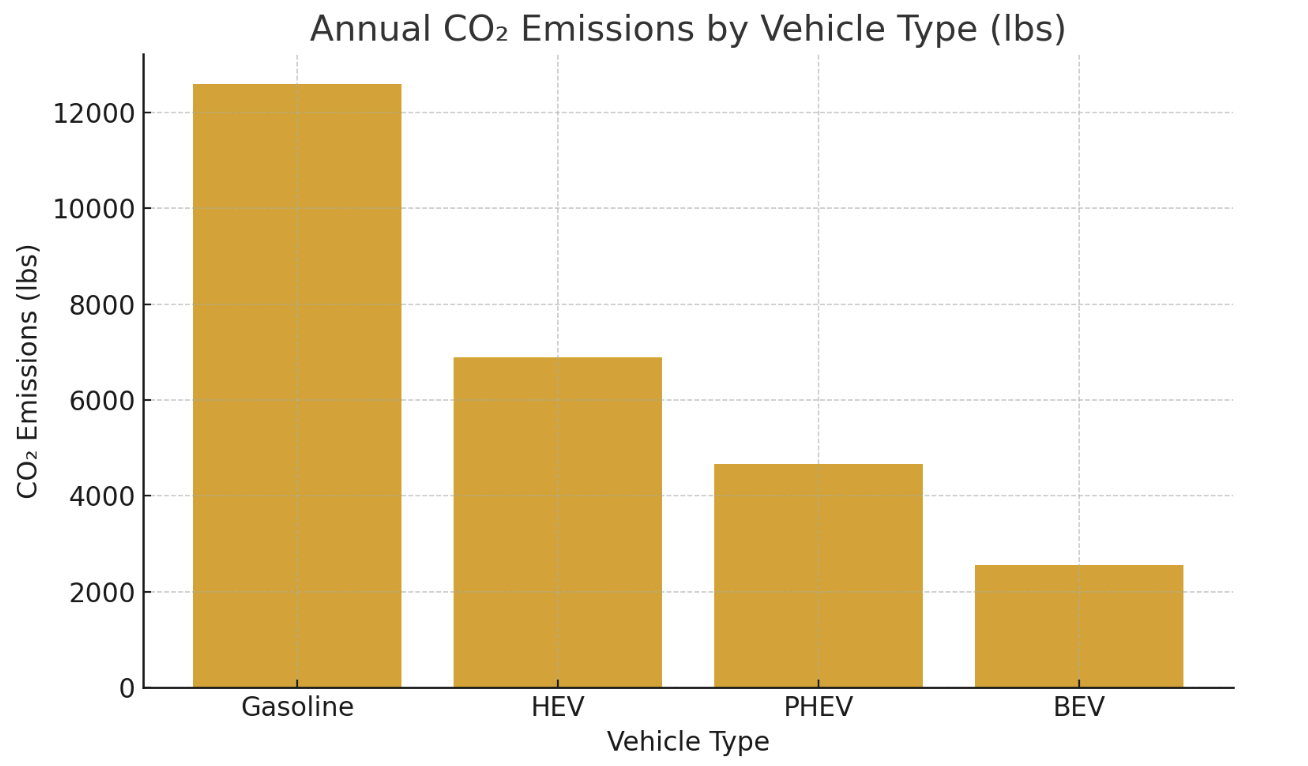
Even though EVs have high manufacturing emissions, their operating emissions offset this and show their true green side. BEVs have zero tailpipe emissions, meaning they don’t emit any greenhouse gases when being operated. PHEVs and HEVs emit fewer gases than ICE vehicles because they use batteries with engines. According to data from the US Department of Energy, about 12,594 lbs of CO₂ are emitted from the average gasoline car per year. In comparison, EVs are half that. HEVs emit about 6,898 lbs, PHEVs emit about 4,664 lbs, and BEVs emit about 2,551 lbs [6]. In states with cleaner electricity grids, like California or Washington, operational emissions are close to zero. While EV manufacturing produces more carbon emissions, the overall lifetime emissions are much lower than those of ICE vehicles due to their clean operation and their potential to run almost entirely on renewable energy.
The most environmentally friendly vehicle is determined by its lifecycle carbon footprint. This includes emissions from production, energy usage, operation, and disposal. Lifecycle studies consistently show that EVs outperform ICE vehicles in total emissions. EVs emit at the lowest 66%–69% less than ICE vehicles in Europe, and at the highest 19%–34% less than ICE vehicles in India [1]. Emissions vary because they depend on the energy sources powering the electrical grids. Some countries are dependent on fossil fuels, while others use more renewable energy.
While the world shifts toward greener energy, adding more wind, solar, and hydroelectricity, the full-life emissions of electric cars will naturally drop over time. Still, gas-powered engines are curtailed because they run on dirty fossil fuels; burning them nonstop means CO₂ keeps pouring out. Despite gains in mileage or mixing systems like hybrids, burning fuel itself makes zero emissions impossible.
Battery Recycling
Battery recycling, along with second-life use, keeps making EVs greener. Old EV batteries are now being reused for various purposes, such as storing power in homes or power networks. That means manufacturers can get more out of the materials with less pollution. On top of this, companies building EV batteries are working on newer types, like solid-state batteries. These next-gen batteries could store more energy, charge quicker, run longer, stay safer, plus need fewer materials that cost less.
Economic Sustainability
Total Cost of Ownership
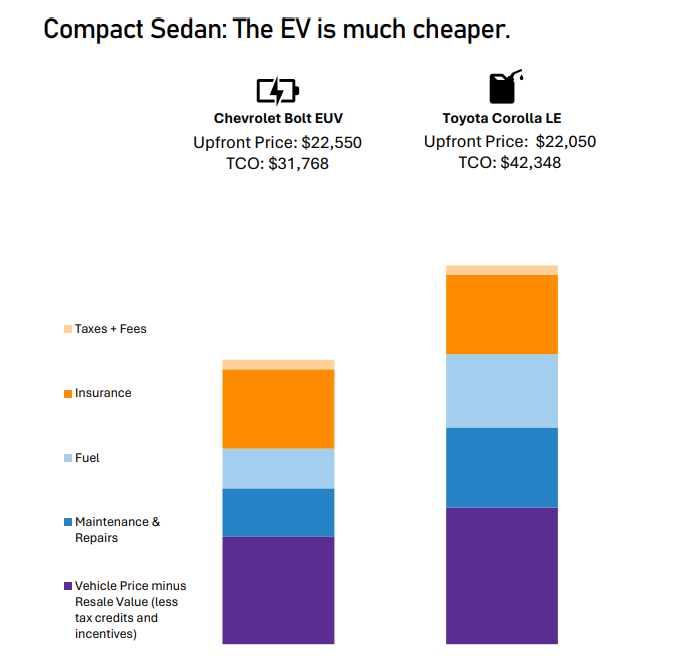
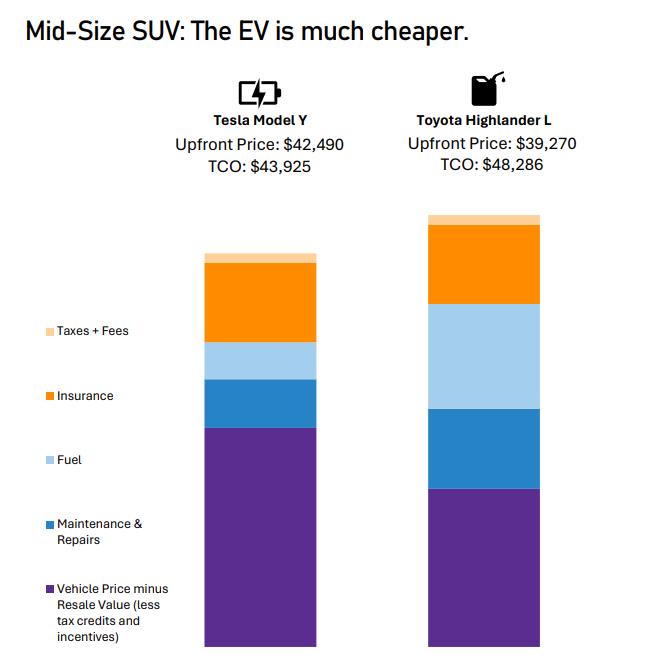
Most folks think electric cars cost more than gas ones; turns out, that’s not right at all. That idea shows up because of the high upfront price. EVs tend to have steep initial prices due to manufacturing expenses. In reality, they often end up costing less overall than regular vehicles. Wilkins, along with Nigro ran a cost analysis on the top-selling gasoline cars and their electric counterparts. They found that four out of five electric models beat their gas-powered equivalents on total cost of ownership [23].
Total Cost of Ownership (TCO) is the sum of all expenses over the entire time someone owns a car. This includes expenses like buying price, fuel, and upkeep. Electric vehicles usually win. Power from the grid is less expensive than gas for every mile you drive. “The average cost to operate an EV in the United States is $485 per year, while the average for a gasoline-powered vehicle is $1,117,” according to Michigan’s Transportation Research Institute [12].
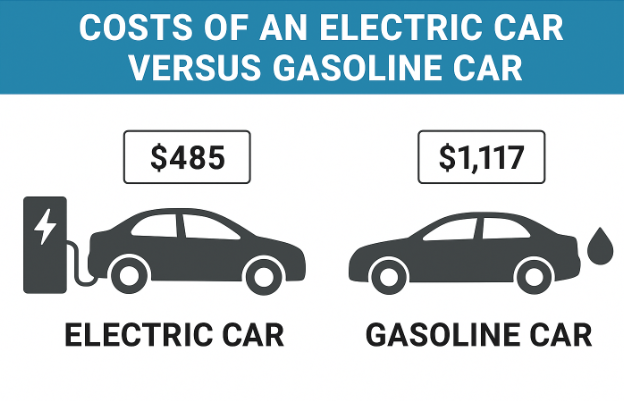
As a case in point, driving an EV often feels like paying just $1 for a gallon of gasoline, depending on your area’s power rates. On top of that, electric vehicles have way fewer parts that move or wear out; no oil swaps, transmission fixes, or exhaust work means much lower service bills over time.
Maintenance & Fuel Costs
Maintenance for EVs is also cheaper and more affordable compared to ICE vehicles. In the analysis report done by Wilkins and Nigro there was a trend of the EV maintenance costs being 40% less than their gas-powered equivalents [23]. Over a decade, lower fuel and repair bills could wipe out the extra sticker price, so electric vehicles often cost less over time.
Yet once more, financial upsides will vary from place to place. In spots where power’s cheap or charging spots are scarce, the savings shrink. Likewise, fuel prices and the support governments offer play a significant role in how affordable things feel. As electric cars ramp up and costs drop with volume, plenty believe they’ll match gas-powered cars in price soon, meaning they could be kinder to the planet and actually make sense, cash-wise, for most people.
Subtitle for This Block
Title for This Block
Text for This Block
Subtitle for This Block
Title for This Block
Text for This Block
One reason is energy freedom; EVs cut the need for foreign oil, whose costs often swing wildly on the global stage. When nations shift to electric transport, they can steady their energy spending while increasing their investment in local green power. That shields both economies and everyday people from sudden spikes at the pump. It also keeps our cities greener.
Switching to electric cars shakes up how we live and spend money. Cleaner air becomes possible for everyone, vehicle operating costs drop, and city noise fades into the background. With fewer exhaust fumes, people breathe easier and suffer fewer lung problems tied to dirty air. Lowering health risks from decreased gas emissions could also prevent ongoing healthcare costs associated with these emissions.
Business Impact
A complete change to EVs would also hurt the gas car business. People working in old-school car or oil industries would have to find new jobs. Gas-powered engines need tons of pieces and keep countless people employed, from building cars to fixing them and delivering fuel. Electric vehicles use way fewer components, which does seem reasonable at first, but makes maintenance jobs less critical because of their simplicity. That simplicity might shrink job numbers in those areas unless workers pick up new skills or industries create new jobs for them.
As we shift gears, governments and businesses must focus on retraining workers. This helps people move smoothly into jobs in battery manufacturing, clean power systems, or EV setups. Car makers like Ford, Tesla, and Volkswagen are already pouring money into upgrading plants while preparing employees for what’s next in the electric era.
Technological & Social Challenges
Infrastructural Limitations
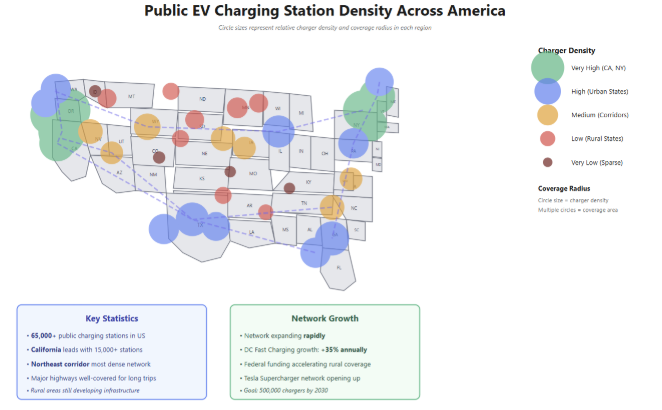
Right now, electric cars are catching on fast, but getting everyone to use them means big upgrades in tech and support systems. Charging spots, both how many there are and how quickly they charge. Unlike gas vehicles that fill up in minutes almost anywhere, plugging in an EV might take 20 minutes at a speedy station or stretch to hours using a regular wall socket at home. Most people who own EVs charge overnight where they live; still, public fast chargers need to be spread out so road trips work better and city dwellers without garages aren’t left out.
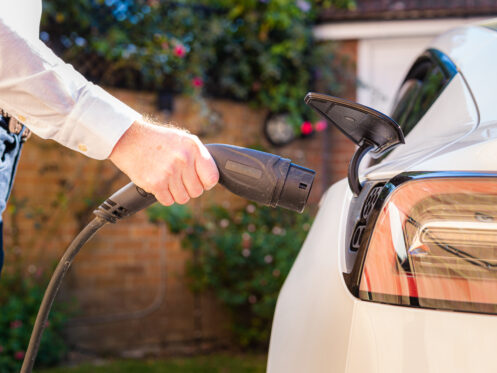
So far, governments and businesses are spending big on charging stations. The US has already started spending billions on these improvements; its Bipartisan Infrastructure Law set aside $7.5 billion for half a million public chargers across the country [30]. On top of that, EU goals demand charging spots on major highways at least every 60 km.
Battery Technological Limitations
Battery tech still has room to grow. Right now, BEVs have a range between 110 and 300 miles on a single charge, and PHEVs can go 15 – 60 miles on battery alone. Better energy storage, quicker refill rates, plus more uncompromising build quality are all needed. Innovations like solid-state cells might deliver faster top-ups, lower risk, and longer-lasting batteries, addressing one of the last significant concerns about using electric cars every day.
One significant piece of the puzzle? Battery tech. Scientists are testing new formulas that cut down on rare materials like cobalt, which harms the environment when dug up. Instead of sticking with old methods, solid-state and sodium-ion options are stepping up, showing real promise for future electric cars, better power, and a cleaner footprint. On top of that, improving how we recycle batteries means less trash and fewer new mines needed. Firms like Redwood Materials and Li-Cycle aren’t waiting around; they’ve started systems that pull valuable metals from dead batteries and recycle them to make new ones.
On a social level, shifting to electric cars means people have to adjust their habits as well as mindsets. Worrying about battery life, like getting stranded mid-trip, still scares folks, despite newer models going far enough for regular routines. To ease that stress and get more drivers on board, clear info efforts alongside growing charging networks will play a significant role.
Electric cars are set to become even cleaner thanks to steady advances in technology, regulations, and power generation. A significant leap comes from cleaner ways of making electricity. When grids start using more wind, solar, or other renewables instead of fossil fuels, charging an EV will create far fewer emissions. This shift’s already visible across specific regions, for instance, in Norway, where nearly all power flows from hydropower, running an electric car results in 95% lower emissions compared to gasoline vehicles [31].
Future Government Incentives
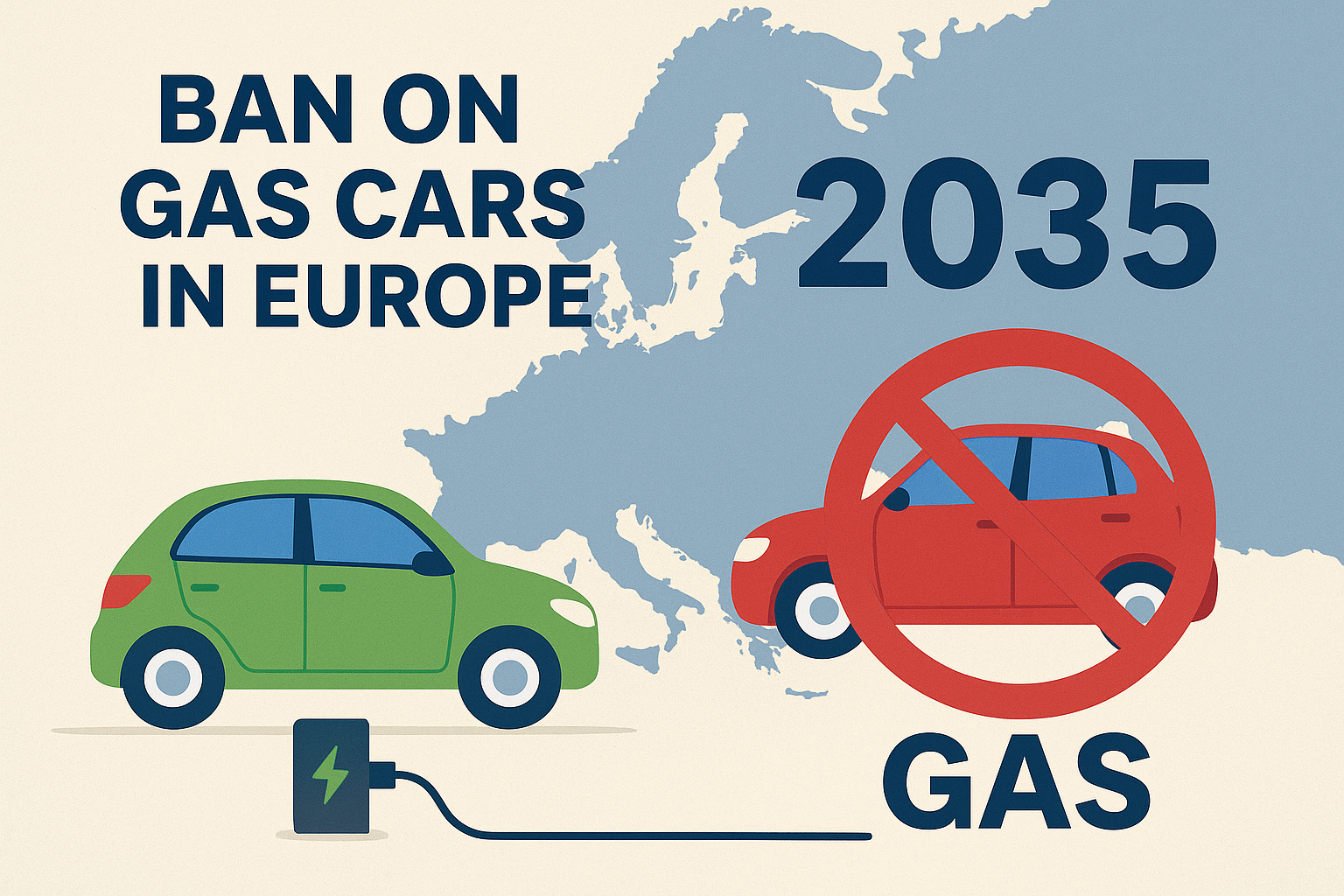
On the policy front, government perks and rules will continue to shape how quickly people switch to electric cars. Many nations have set dates in the 2030s to stop selling new gas vehicles. Take the European Union, it’s aiming to block new combustion engine cars by 2035 [32]. Meanwhile, states like California and New York have rolled out their own plans, too. These moves will push carmakers to keep betting on EVs while showing buyers the shift is both inevitable and worthwhile.
Social Resistance
Other than economic and infrastructure changes, the push for electric cars is challenging because some people don’t enjoy them. The automotive culture is complex and highly subjective about which cars they believe are the best. This shift can affect many people, especially car enthusiasts, collectors, and performance drivers. Since the creation of vehicles, some people have seen these as more than just machines; they have been expressions of people. The sounds of an engine, experience in gear shifting, and the complexities of the Internal Combustion Engine have been of central importance to this community.
Performance & Practicality
Electric Vehicles are environmentally friendly, cost-effective, and have significant future potential, but their performance and practicality on the road are essential too. Many people believe EVs don’t perform as well as ICE vehicles. They think that EVs aren’t fast enough, aren’t as energy efficient, or just don’t give a good driving experience. However, it is surprising how many of these EVs excel in.
Acceleration & Torque
Electric vehicles usually aren’t faster than ICE vehicles, but they are quicker. The quickness of a vehicle refers to its acceleration from lower speeds to higher speeds, while being faster refers to the top speed. Electric cars generate much more torque and waste much less energy when accelerating. Torque is the rotational force applied around the axle. The axle is the shaft that connects the wheels of the vehicle (MazdaUSA). It is the force making the wheel spin. In EVs, the torque of the electric motors is applied differently than in ICE vehicles. The motors in EVs apply force straight onto the wheels, generating instant torque. This allows EVs to accelerate extremely quickly.
On the other hand, ICE vehicles don’t use force directly on the wheels. This explains why, in 2017, the quickest 0 to 60 mph in the magazine was 2.3 seconds, but the Tesla Model S P100D beat that by going 0 to 60 mph in 2.275 seconds the same year [33]. ICE vehicles use multigear transmissions and require revs to build up torque. These components are known together as the “drive train” or “powertrain”. This refers only to the process by which the vehicle’s components generate and deliver power to the wheels.
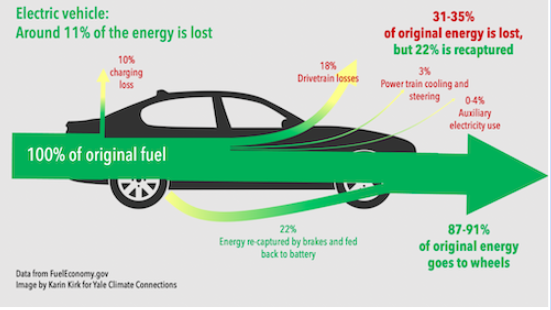
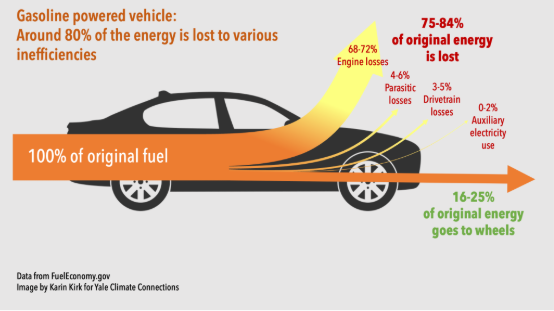
Even though some EVs and ICE vehicles generate similar amounts of power, EVs can use more of their stored energy to maximize their output. This is because EVs have fewer moving parts, which contribute to their efficiency. ICE vehicles have a low efficiency percentage. They only utilize about 20% of the power they generate for the wheels. A majority of the energy is lost through heat, and another is lost through other components of the vehicle. EVs have higher efficiency percentages at about 90%. Around 18% of energy is lost in the drivetrain, and 10% is lost when charging the car, but unlike ICE vehicles, EVs regain 22% of their energy [11]. They regain this energy through regenerative braking. The vehicle can reach higher speeds and operate much more smoothly as a result. The instant torque and simplified powertrain enable EVs to accelerate from 0 to 60 mph much more quickly than ICE vehicles. The only downside is that EVs can’t maintain this performance over the long term due to the absence of a traditional transmission.
Subtitle for This Block
Title for This Block
Text for This Block
Subtitle for This Block
Title for This Block
Text for This Block
Stability & Practicality
A car doesn’t just need speed; it also requires control, stopping power, and practicality when used outside ideal test conditions. Heavier battery packs tend to affect agility, increase braking distances, and increase strain on parts. Electric models work well in everyday driving, though they often fall short in high-performance applications. Gas-powered rides, on the other hand, benefited from years of optimization and improvements, including better suspensions, transmissions, and heat management, which shine under intense loads. EVs are increasingly competitive in everyday driving, but depending on specific models, ICE vehicles are primarily advantageous in high-demand scenarios like racing or towing.
Gas-powered cars have an edge because gas stations are everywhere, yet refueling takes just minutes for a full tank. Electric vehicles must be charged, depending on the charger type, the EV’s battery size, and the infrastructure. Charging at home overnight works well day to day; however, during travel or in areas with limited public charging, it becomes more difficult. Charging can also take anywhere from half an hour up to a full day, depending on conditions. So in terms of refueling and charging, ICE vehicles have an edge. In addition, ICE vehicles have more range. They can go farther and at higher speeds for longer compared to EVs. According to the DOE, the median range of EVs was 60% of the median range for ICE vehicles [29]. The percentage can get even worse when pulling a heavy weight, so EVs aren’t really good for towing or extended use. For regular city driving, electric cars have gotten much better range, so they’re good options for many people. Owning an EV will feel way smoother once charging spots are available everywhere.
Subtitle for This Block
Title for This Block
Text for This Block
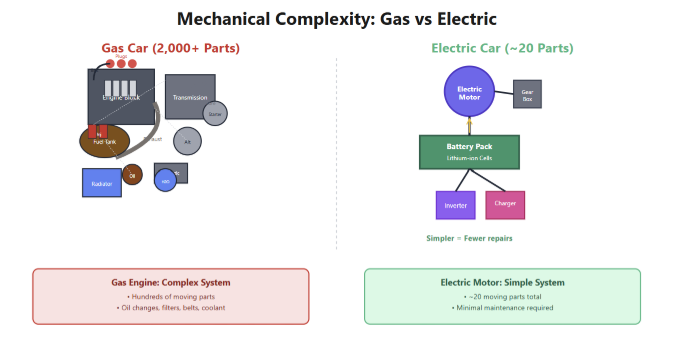
With electric cars, a simpler design usually leads to less upkeep over time. That translates to skipping oil swaps, dealing with fewer transmissions, or worrying about exhaust parts. EVs have far simpler powertrains than ICE counterparts. “On average, an EV contains around 20 to 25 moving parts in its drivetrain” versus “200 to more than 2,000 moving parts” for ICE vehicles [3]. This makes EVs more practical for many owners, reducing downtime and maintenance costs. Other real-world problems, such as battery deterioration, replacement costs, and accessibility to service and repair facilities, are still specific to EVs.
Subtitle for This Block
Title for This Block
Text for This Block
The vehicle’s integration into daily life, such as charging at home, parking accessibility, appliance-like behavior, and so forth, is another practical aspect. Because EVs have fewer mechanical limitations and a repurposed engine bay, they frequently offer more usable space.
However, ICE vehicles may still offer greater flexibility for applications such as heavy towing, commercial fleets, and travel in remote areas, particularly when grid access or public charging is restricted.
Future Improvements & Considerations
Infrastructural Advancements
People are just beginning to reshape cities around electric cars, blending them with buses and clean power sources. Instead of waiting, urban areas now experiment with charging lanes built into streets or parking spots that soak up sunlight. On top of that, smarter traffic flow managed by learning algorithms might cut down idle time and boost performance. Without countries sharing ideas and standards, this shift could stumble or slow way down.
Overall EV Improvements
The materials used in EV batteries come from many corners of the planet, which means we’ve got to keep things fair and green when we pull them from the ground. Instead of cutting corners, initiatives that back safe working conditions and cleaner mining methods can prevent harm while pushing the EV scene toward real eco-friendly progress. Electric cars aren’t just new; they’re changing how we see movement, power, and our role in protecting nature. Looking closely at their footprint on nature, their long-term costs, plus the tech and social hurdles they face, shows one thing: they’re still a better bet than ICE vehicles for the planet’s future. Even though making electric cars, especially their batteries, currently emits more emissions than gas cars, they make up for it quickly by running cleanly. Over time, they end up emitting far less greenhouse gas into the air while also polluting less, especially as power sources shift toward cleaner options. That difference grows bigger as energy systems rely less on fossil fuels.
Economically speaking, EVs now cost less over time, thanks to lower fuel bills and fewer repairs, as well as reduced foreign oil imports. Even though charging networks, battery limits, and public hesitation remain issues, they’re fading fast as tech advances and funding pours in. Fast progress, innovative policies, and growing buyer interest mean electric cars will keep getting better, cheaper, greener, without slowing anytime soon.
Conclusion
Overall, I believe that electric vehicles are a better alternative to gas-powered vehicles; not only that, they’re key to our transition to a greener, more technologically advanced world, while also pushing out the more primitive technology of the past. They may produce more emissions in the production phase of their life cycle, but they make up for it by not emitting any toxic CO2 gases into the atmosphere while being used. Throughout their lifetimes, they emit far fewer emissions than Internal Combustion engine vehicles. Upfront, electric vehicles usually cost more than gas-powered vehicles, but in the long term, they save people more money because of the low maintenance and fuel costs that come with owning an electric vehicle. In performance, they offer many strengths, including almost instant torque, quick acceleration, optimal efficiency, and everyday practicality. This includes practicality with its at-home charging capabilities, smooth driving, and impeccable stability. Despite the challenges surrounding charging access, ethical material use, and the public’s hesitation to this new way of driving, the popularity of this innovation is still growing. As cities grow and redesign infrastructure, manufacturers develop new batteries, and the world adopts cleaner energy, EVs will continue to become greener and more efficient. In the end, the shift to electric vehicles represents more than just how we drive cars; it reflects how we progress towards a more sustainable future socially, economically, and environmentally.
References
[1] A global comparison of the life-cycle greenhouse gas emissions of combustion engine and electric passenger cars. (n.d.). International Council on Clean Transportation. Retrieved October 30, 2025, from https://theicct.org/publication/a-global-comparison-of-the-life-cycle-greenhouse-gas-emissions-of-combustion-engine-and-electric-passenger-cars/
[2] Alanazi, F. (2023). Electric Vehicles: Benefits, Challenges, and Potential Solutions for Widespread Adaptation. Applied Sciences, 13(10), 6016. https://doi.org/10.3390/app13106016
[3] Alpha Motor — EV Vs. ICE: Fewer Moving Parts, Less Maintenance. (n.d.). Alpha Motor. Retrieved October 31, 2025, from https://www.alphamotorinc.com/about/ev-vs-ice-fewer-moving-parts-less-maintenance
[4] Alternative Fuels Data Center: Electric Vehicle Charging Station Locations. (n.d.-a). Retrieved October 30, 2025, from https://afdc.energy.gov/fuels/electricity-locations
[5] Alternative Fuels Data Center: Electric Vehicle (EV) Definition. (n.d.-b). Retrieved October 30, 2025, from https://afdc.energy.gov/laws/12660
[6] Alternative Fuels Data Center: Emissions from Electric Vehicles. (n.d.-c). Retrieved October 30, 2025, from https://afdc.energy.gov/vehicles/electric-emissions
[7] Are electric vehicles definitely better for the climate than gas-powered cars? | MIT Climate Portal. (n.d.). Retrieved October 2, 2025, from https://climate.mit.edu/ask-mit/are-electric-vehicles-definitely-better-climate-gas-powered-cars
[8] At a Glance: Electric Vehicles. (n.d.).
[8a] B, L. R. (2023, January 11). The Environmental Impact of Battery Production for EVs. Earth.Org. https://earth.org/environmental-impact-of-battery-production/
[9] Content frame. (n.d.). Retrieved October 31, 2025, from https://vx.fortune.com/checkout/template/cacheableShow.html?aid=cfQj2fM3zj&templateId=OTEWP4TRQF47&preload=1&offerId=fakeOfferId&experienceId=EXMKPDCV28Y8&iframeId=offer_f8bd12587210eee26b8e-0&displayMode=modal&pianoIdUrl=https%3A%2F%2Fid.fortune.com%2Fid%2F&widget=template&url=https%3A%2F%2Ffortune.com%2F2015%2F11%2F17%2Felectric-motors-crush-gas-engines%2F
[10] Drystek, A. (2023, August 2). The Roadmap to Electric Vehicle Manufacturing. Acerta. https://acerta.ai/blog/roadmap-electric-vehicle-manufacturing/
[11] Electric Vehicles Are Way, Way More Energy-Efficient Than Internal Combustion Vehicles. (2022, August 12). MotorTrend. https://www.motortrend.com/news/evs-more-efficient-than-internal-combustion-engines
[12] Electric vs. Gas Cars: Is It Cheaper to Drive an EV? (2025, July 21). https://www.nrdc.org/stories/electric-vs-gas-cars-it-cheaper-drive-ev
[13] EV Charging Infrastructure: Frequently Asked Questions. (n.d.). [Legislation]. Retrieved October 31, 2025, from https://www.congress.gov/crs-product/R48351
[14] Fave, M. L. (2022, October 13). Why Car Enthusiasts Really Hate EVs. Sharp Magazine. https://sharpmagazine.com/2022/10/13/why-car-enthusiasts-hate-evs/
[15] Global EV Outlook 2024 – Analysis. (2024, April 23). IEA. https://www.iea.org/reports/global-ev-outlook-2024
[16] Innovation and Sustainable Mining are Key to Meeting EV Demand for Critical Materials. (2024, September 26). https://www.irena.org/News/pressreleases/2024/Sep/Innovation-and-Sustainable-Mining-are-Key-to-Meeting-EV-Demand-for-Critical-Materials?utm_source=chatgpt.com
[17] Marsh, J. (2023, December 6). Electric vs. Gas Cars: Which Is Better For The Environment? EnergySage. https://www.energysage.com/electric-vehicles/evs-vs-ices-full-lifecycle-environmental-impact-analysis/
[18] McMahon, J. (n.d.). Electric Vehicles Cost Less Than Half As Much To Drive. Forbes. Retrieved October 31, 2025, from https://www.forbes.com/sites/jeffmcmahon/2018/01/14/electric-vehicles-cost-less-than-half-as-much-to-drive/
[19] New Study Finds Electric Vehicles Are Driven Less Than Gas Cars | Media Relations | The George Washington University. (n.d.). Media Relations. Retrieved September 24, 2025, from https://mediarelations.gwu.edu/new-study-finds-electric-vehicles-are-driven-less-gas-cars
[20] Orusov, A. (2025, July 9). Battery electric cars produce 73% less emissions -research. Reuters. https://www.reuters.com/sustainability/climate-energy/battery-electric-cars-produce-73-less-emissions-research-2025-07-08/
[21] Reducing car pollution—Washington State Department of Ecology. (n.d.). Retrieved October 17, 2025, from https://ecology.wa.gov/ecologys-work-near-you/earth-day/reducing-car-pollution
[22] Regenerative braking. (2025). In Wikipedia. https://en.wikipedia.org/w/index.php?title=Regenerative_braking&oldid=1319579562
[23] Shok, K. (2025, July 2). Comparing the Total Cost of Ownership of the Most Popular Vehicles in the United States: 2025 Update. Atlas Public Policy. https://atlaspolicy.com/comparing-the-total-cost-of-ownership-of-the-most-popular-vehicles-in-the-united-states-2025-update/
[24] Šimaitis, J., Lupton, R., Vagg, C., Butnar, I., Sacchi, R., & Allen, S. (2025). Battery electric vehicles show the lowest carbon footprints among passenger cars across 1.5–3.0 °C energy decarbonisation pathways. Communications Earth & Environment, 6(1), 476. https://doi.org/10.1038/s43247-025-02447-2
[25] The future of sustainable EV manufacturing. (n.d.). Octopus Electric Vehicles. Retrieved October 30, 2025, from https://octopusev.com/ev-hub/the-future-of-sustainable-ev-manufacturing
[26] US EPA, O. (2016, January 12). Greenhouse Gas Emissions from a Typical Passenger Vehicle [Overviews and Factsheets]. https://www.epa.gov/greenvehicles/greenhouse-gas-emissions-typical-passenger-vehicle
[27] US EPA, O. (2021, May 14). Electric Vehicle Myths [Other Policies and Guidance]. https://www.epa.gov/greenvehicles/electric-vehicle-myths
[28] US EPA, O. (2022, October 19). Climate Change Impacts on Health [Overviews and Factsheets]. https://www.epa.gov/climateimpacts/climate-change-impacts-health
[29] FOTW #1221, January 17, 2022: Model Year 2021 All-Electric Vehicles Had a Median Driving Range about 60% That of Gasoline Powered Vehicles. (n.d.). Energy.Gov. Retrieved December 4, 2025, from https://www.energy.gov/eere/vehicles/articles/fotw-1221-january-17-2022-model-year-2021-all-electric-vehicles-had-median
[30] Federal Funding Programs | US Department of Transportation. (n.d.). Retrieved December 4, 2025, from https://www.transportation.gov/rural/ev/toolkit/ev-infrastructure-funding-and-financing/federal-funding-programs
[31] Hydroelectric Power in Norway. (n.d.). Retrieved December 4, 2025, from http://large.stanford.edu/courses/2021/ph240/bonanno2/
[32] Blenkinsop, P. (2025, September 12). EU brings forward review of 2035 zero emission vehicles target. Reuters. https://www.reuters.com/sustainability/climate-energy/eu-brings-forward-review-2035-zero-emission-vehicles-target-2025-09-12/
[33] 2017 Tesla Model S P100D First Test: A New Record — 0-60 MPH in 2.28 Seconds! (2017, February 7). MotorTrend. https://www.motortrend.com/features/2017-tesla-model-s-p100d-first-test-review