Daniel Hilmer 12/11/2022
About Me
Last summer I went on a trip to Flagstaff Arizona. I spent 2 weeks altitude training with some of the nations’ best distance runners. The cool brisk mountain air and the beautiful terrain ran through the Coconino National Forest (a portion of the world’s largest ponderosa pine forest). In one moment I’d be running next to some large ponderosa pine and a couple strides later I’d be next to a little shrub that aspired to be as tall as the older ones. It was then that I began to learn about the logging industry that once boomed in the Flagstaff area. The little shrubs I’d seen were the attempts to restore the pine which were once torn down. It was an effort to preserve the forest and sustainably protect this natural resource (the forest serves as a buffer against climate change and a filter for our air). Local laws and efforts by the forest service are taking action to maintain and improve the forest’s health. Most of the logging being done now is “thinning” which is removing some trees in overgrown areas so that others have the opportunity to get nutrients that’ll help them grow larger and stronger. My experience exploring the Coconino National Forest is what led to my interest in forest management. I applaud the effort in Flagstaff to put the health of nature as their primary interest. A concept that isn’t being followed in many other parts of the world.
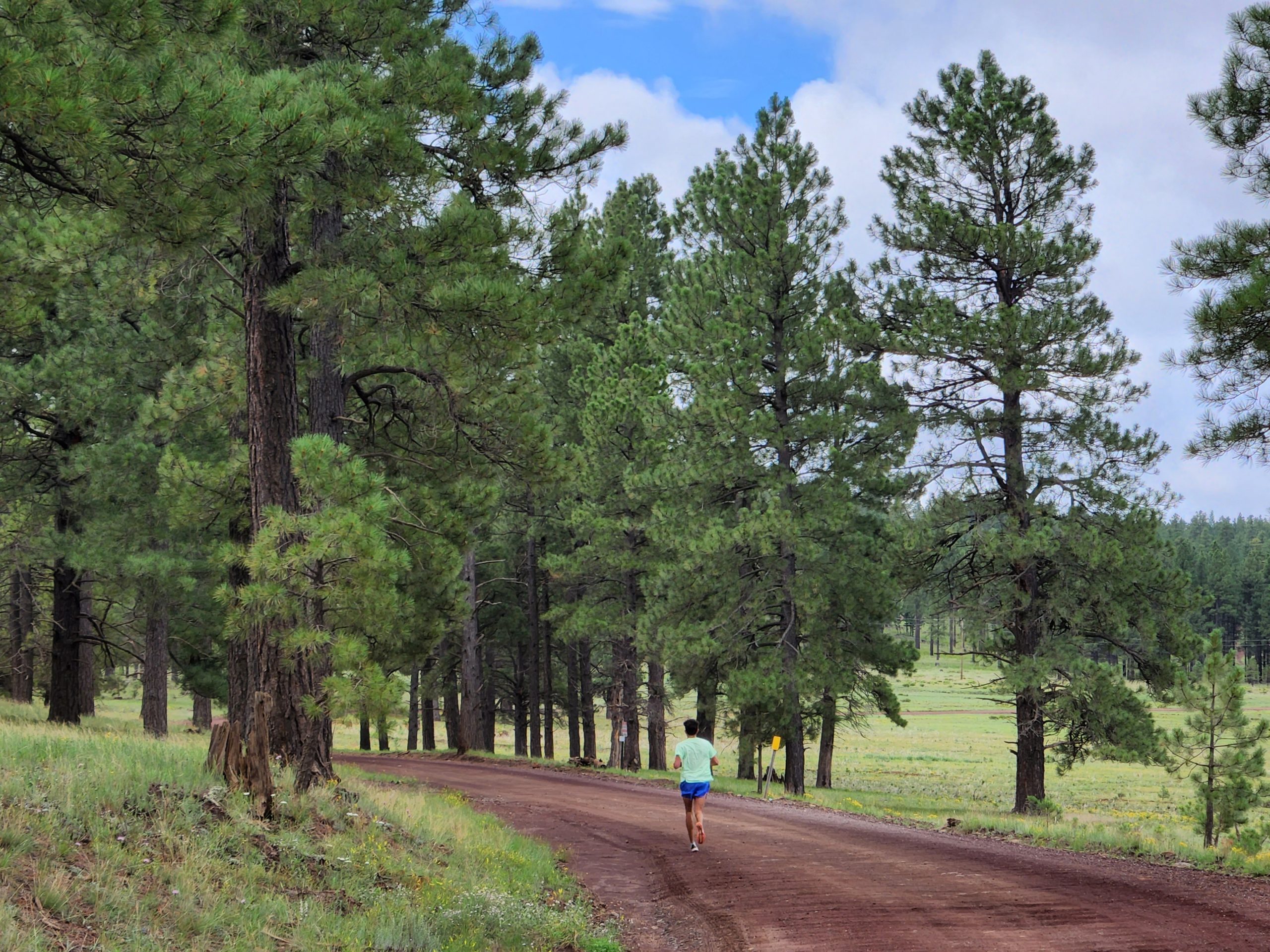
This is a picture of me training in the stunning Coconino National Forest in Flagstaff, Arizona.
It wasn’t until I came to Bucknell University that I learned the importance of thriving forests to our ecosystems, climate, and sustainability. These forests are so quintessential to our livelihood, and we should begin to treat them as such. Unfortunately, in certain areas of the world, forests aren’t being treated with enough respect. In this blog I am hoping to shine a light on one of the world’s most pressing problems and all the underlying issues that come along with it.
A Pressing Global Issue
In the heart of South America’s largest country lies the most expansive forest on the planet. Roughly 80 years ago, this forest flourished without the intrusion of large-scale deforestation. In the present day, the state of the Amazon rainforest is a fraction of its former glory. “Every minute an area of Amazon rainforest roughly equivalent to 5 football pitches is cut down”(15). The driving force behind this is the Brazilian Beef industry which makes up 80% of current deforestation within the Amazon (16). With the global population growing annually, the demand for animal protein has climbed up as well. With this increased demand comes the need for land to raise livestock. Since the 60s Brazilians have deforested the forest to acquire this land. It wasn’t until later that science showed they were burning down one of the earth’s greatest natural resources. Why have we allowed the mistreatment of the Amazon for a corrupt beef production system? The beef system whose lack of efficiency and mass scale excavation of earth’s lungs has contributed greatly to global warming. As a whole, livestock supply chains make up 1/3rd of total emission in Latin America (with Brazil being the biggest contributor). This Brazilian system has criminal activity and issues that run throughout the whole supply chain. This beef system distributes their product to some of the largest grocers worldwide. It’s time everyone puts the Brazilian beef industry on notice, before it’s too late.
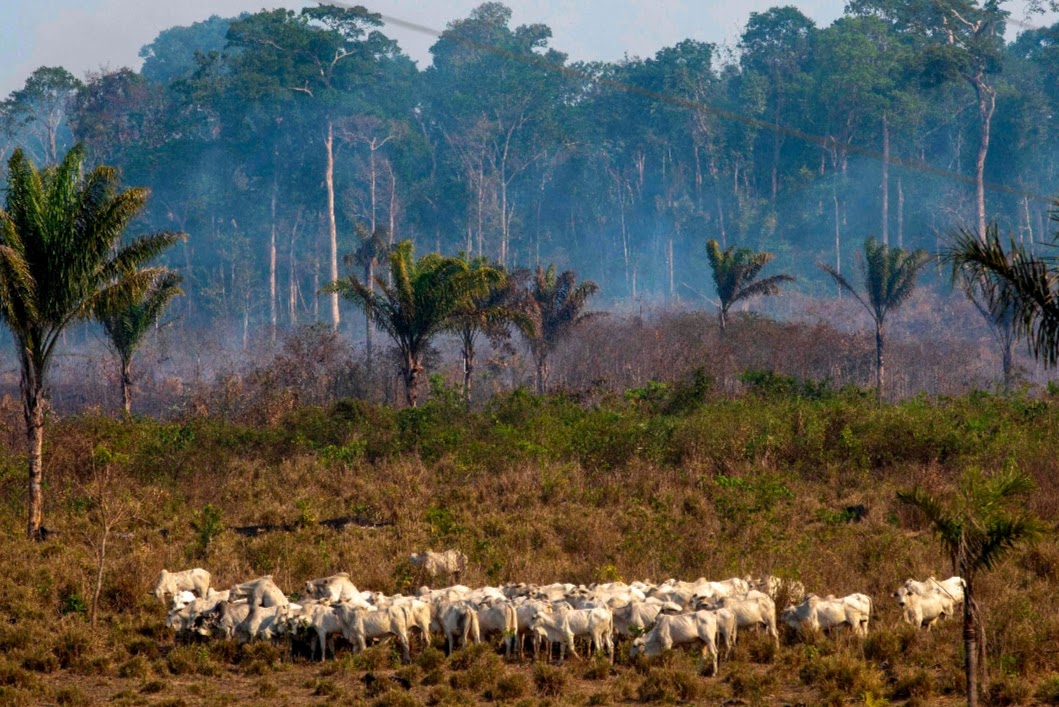
(30)The cattle in center of the picture are the driving force behind the deforestation of the Amazon
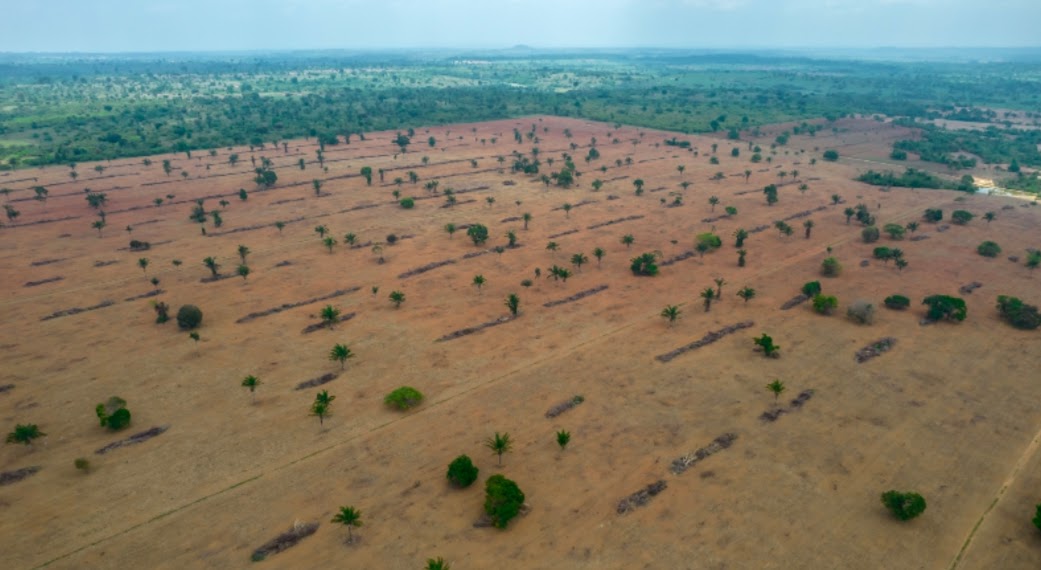
(28) This is an example of cleared land in the Amazon. This is located on the road into São Félix do Xingu
The Fall of the Mighty Amazon
Before hearing the catastrophe in the Amazon rainforest, you must understand its irreplaceable role. 6 to 9 percent of the world’s oxygen supply comes from the amazing Amazon rainforest. Oxygen is key to the survival of all mammals, including humans. Additionally, (without deforestation) the Amazon serves as the world’s largest carbon sink; it is estimated that 123 billion tons of carbon, which otherwise would be released into the atmosphere and contribute to global warming, are held in the roots of the Amazon (4). To put this in perspective, in 2014, a global total of 35 billion tons of carbon were emitted due to fossil fuels (26).
With the destruction in the Amazon, every tree cleared or burnt to the forest floor releases its carbon. This issue has become so serious that a study by Nature Climate Change shows the Amazon has turned into a net emitter (meaning more CO2 is emitted than stored). This study expresses that “the rainforest in Brazil released about 20% more CO2 into the atmosphere than it took in over the period from 2010-2019 (24).” Issues like this can be seen worldwide in other heavily deforested areas in Africa and Asia, where deforestation directly correlates to more greenhouse gas emissions. With this knowledge, one could deem it wise to not only stop deforestation but make efforts to regrow trees. They are one of the best natural resources to aid us in the fight against climate change.
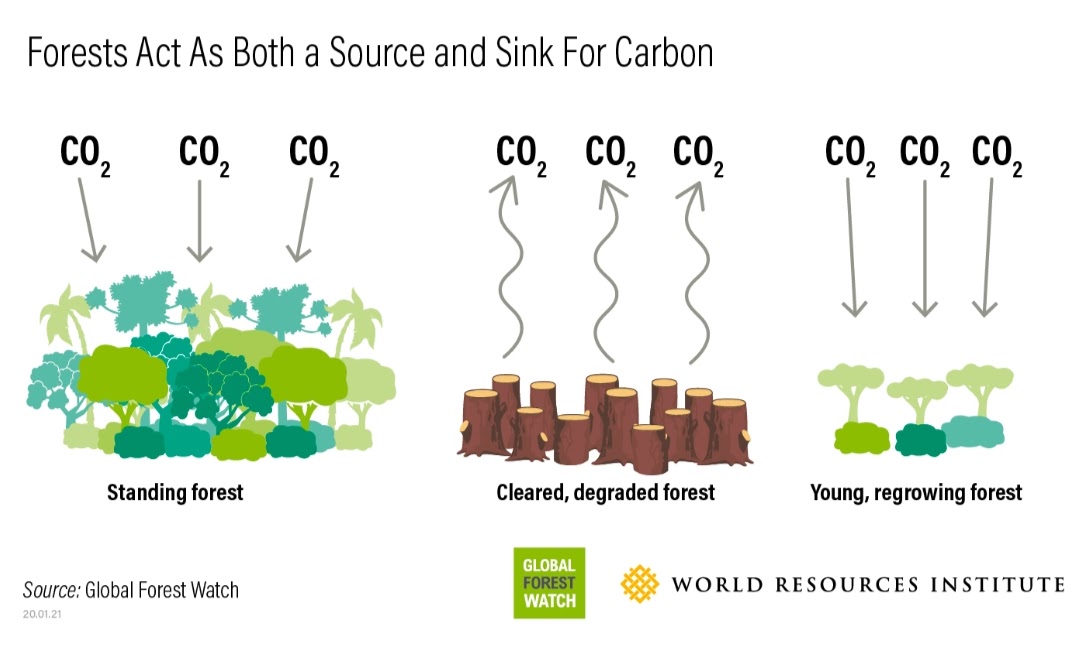
(19) This shows the process of sequestering carbon from the atmosphere. When Trees are present, and the forest is thriving, it will serve as a carbon sink. When trees are cleared, the CO2 is all released. Regrowing trees is the next natural step to combat climate change.
In Brazil, the reluctance to eliminate deforestation for beef production is leaving the Amazon in near, “dieback.” Dieback would turn the once lush wilderness into a dried out wasteland, like a savanna (there would be a dispersed amount of trees and a lack of water). Scientists explain that 17 to 20 percent of the Amazon has been destroyed in the last 50 years, and dieback will occur when that number is between 20 to 25 percent (2). We may be nearing the point of no return.
Unfortunately, in the first 5 months of 2022, over 3,980 square kilometers of Amazon have been cleared. That’s over 5 times the size of New York City (2). As someone who’s visited New York City on countless occasions, a city full of millions and millions of people, home to entertainment, large scale industry, and is a worldwide economic hub. What could you do with 5 times that area? In Brazil, the current response seems to be… raise cattle, a practice in itself that contributes to climate change.
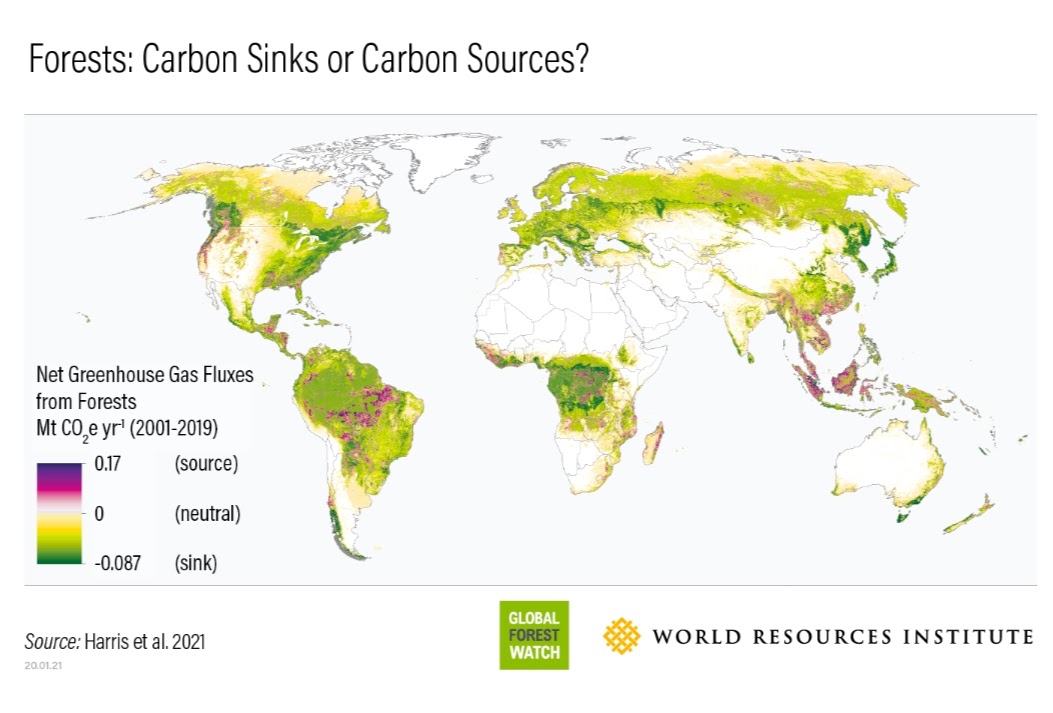
(19) The purple areas indicate where Greenhouse gas emissions are high. Notably in the highly deforested areas of the Amazon and Southeast Asia.
A Lawless Land
At points, the Amazon seems like a lawless land. The Jamanxim National Forest, a protected land within the Amazon, lost 45 square miles of tree cover in 2019. This was a classic case of illegal deforestation, a thing that happens quite regularly by Brazilian citizens and accounts for well over 90% of all deforestation in Brazil (7). Just like any crime there are two sides to the story.
In the 80’s the Brazilian Government was handing out land to help develop the Amazon. The newly acclaimed land owners did as they saw fit, clearing the area largely for cattle. About half of cattle are raised on pastures which used to be rainforest (3). In more recent years, political views have shifted and sustainability of the forest became a priority. According to citizens, the Jamanxim National Forest (established in 2006) clashed with land that they gave to the public years prior. In protest, came the Day of Fire. A day (August 10th, 2019) where Brazilians who felt cheated from their land (by the government) burnt down the forest.
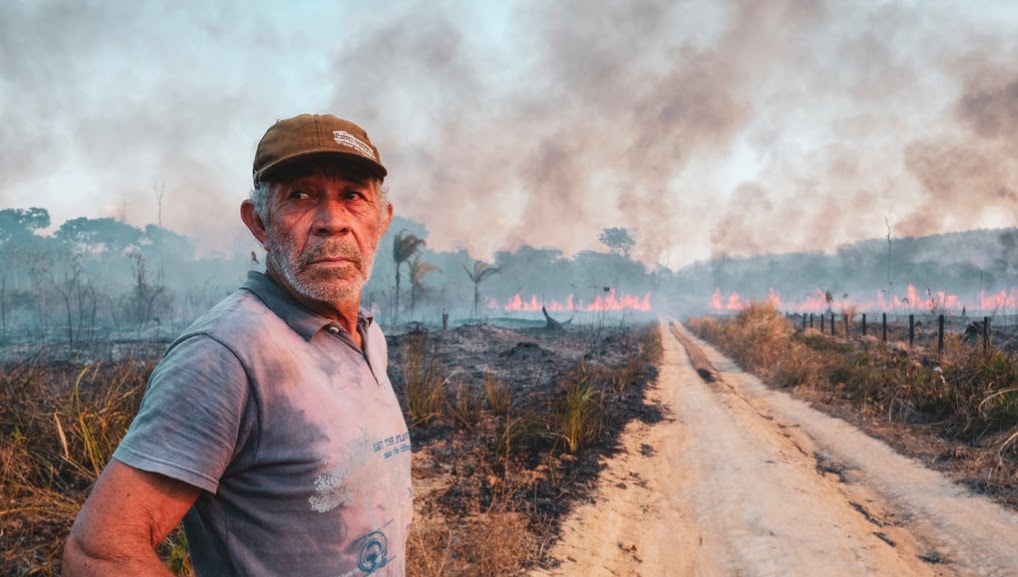
(3) This is the Day of Fire. Many locals take action and burn down the rainforest. While others stand and wonder how destroying the rainforest can serve as a protest.
In this instance, there is a clear issue with government interference of land ownership. Meaning, you can’t give something away and take it back, especially when citizens are reliant on their land for shelter, and making a living. This doesn’t justify the action of the citizens. We would hope they would realize that the well being of this forest outweighs their own self interests, and proper treatment of the forest is just compensation for the government giving them land. The forest’s value as a carbon sink, oxygen producer and natural habitat to 10% of the world’s wildlife (15) is irreplaceable. It’s a harsh reality, but one that we hope citizens understand. The Brazilian government and leaders need to find better solutions than qualifying land as “protected.” There must be increased law enforcement, limitations and more strict consequences on those who illegally deforest rainforest.
President of Brazil, Jair Bolsanaro, has scaled back enforcement of environmental laws (A large reason for why deforestation has reached a 15 year high in 2021) (2). Bolsanaro tasked the country’s armed forces with response to environmental crime in the Amazon. An effort which undercut federal environmental agencies, leading to minimal results. Still, Bolsonaro aims to end illegal deforestation by 2030. This is a lofty goal considering many countries including Germany and Norway who gave billions of dollars to Brazil’s Amazon Fund have frozen support (2). With a hesitant government that no longer receives support from some allies, it’s clear to me that the government must play a bigger role in preventing illegal deforestation. It must do this in a way that doesn’t interfere with individual property rights.
Hold Meatpackers Accountable — The Supply Chain
The issue with the Brazilian beef industry and its impact on Amazon is shared with the American consumer. The United States is the 2nd largest buyer of Brazilian beef (320 million pounds in 2021, on track to double that in 2022)(6). Globally, the largest buyer of beef is China who is also the number one supporter of Brazilian beef. Sadly, the average buyer doesn’t know where beef comes from.
Lots of it comes from Brazil’s largest beef production company, JBS. JBS directly stocks many of America’s chains like Krogers, Goya Goods, and Albertsons which is the parent company of Safeway and Vons. JBS has been continuously accused of buying cattle from illegally deforested land. In Brazil there is no law prohibiting purchase of cattle from illegally deforested land, and many producers don’t even track cattle origins. The ethical questions this raises regarding these illegal practices should concern every American consumer. JBS has made at least 1,673 cattle purchases from 114 ranchers who owned illegally deforested property between 2018 and October 2020 (6).
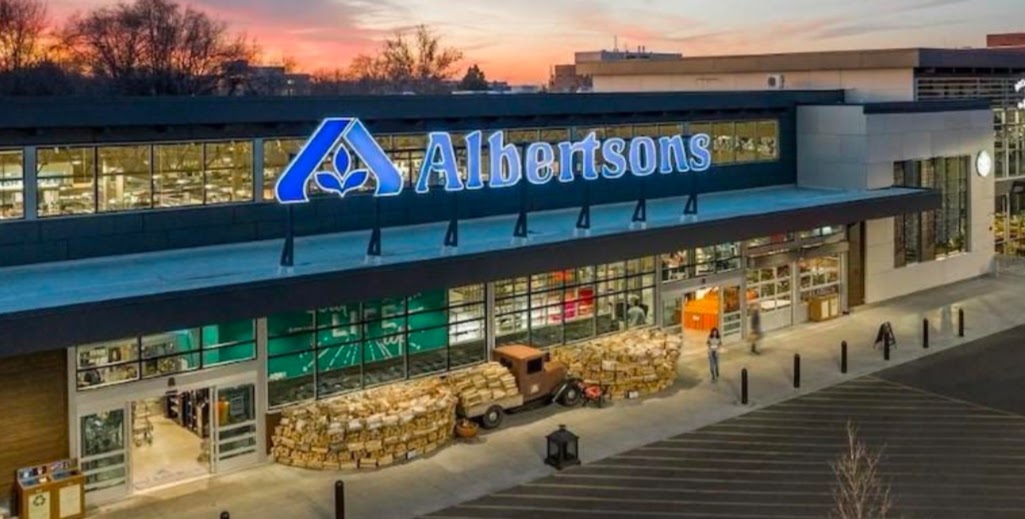
(21, 23, 22) Are a few of the large companies which have been linked to JBS beef exports
Illegally deforested land is just the beginning of the web of issues in the supply chain. “The biggest problem is the indirect suppliers — ranchers who know how to work the system, shuffling cattle from ranch to ranch to conceal their illegal origins and sell them off (6).” These indirect suppliers make fixing the Brazilian beef supply chain extremely difficult. Without being able to track cattle origins it is hard to know where to begin. Suely Araújo, former director of The Brazilian Institute of Environment and Renewable Natural Resources, says Environmental control in the beef supply chain needs to be much more rigorous… Meatpackers need to stop complaining and actually control their supply networks (6).” Araújo believes that to fix the supply chain, meat packers need to do more to control their resources. Luckily we are beginning to see some improvements within JBS.
JBS has begun to use a monitoring system with the goal of exposing and eliminating deforestation in the supply chain by 2025. All other beef producers in Brazil need to follow suit, one company isn’t enough to change the shape of the supply chain. When the bigger companies start cutting out support for illegal deforestation, in theory, there should be a significant drop in illegal deforestation and better preservation of the Amazon. Until then, beef buyers around the world should question where they are buying beef and what companies they support. Alexandre Koberle, a researcher at Imperial College London expresses, “Knowing the origins of the meat you buy is the first step to demanding it to be produced sustainably (9).” Citizens of the world need to educate themselves on where their beef is sourced, and demand that their beef doesn’t come from illegally deforested land.
Brazil’s Fatal Flaw When It Comes To Beef Production —- Efficiency
Brazil produces more beef than any other country in the world, yet it’s produced far less efficiently than more developed countries. The United States is very well regarded for its beef production and its efficiency. What do I mean by efficiency? Efficiency takes into account the resources involved as well as the waste production emitted.
The Brazil system is a significant downgrade to that of the United States. On pastures, the United States focus on animal genetics, fertility, health and nutrition of animals and feed, and sustainable forests have boosted its efficiency up to 5 times more than other parts of the world (1). Brazil’s cattle ranching system is far less advanced, investing little in animal care, or land/ pasture care, leading to half of its 180 million hectares to be degraded (11). Brazil’s standards need to rise and catch up to the rest of the world. Additionally, Brazil’s absence of integrating cattle farming with agricultural crops (livestock and crop integration improves soil health, reduces cost, and increases carbon sequestration), analyzing soil health, controlling weeds/ pests, and rotating animals leads pastures to lose capacity to feed animals in 3 to 4 years (11). As such a large producer of beef, Brazil needs to catch up with other countries when it comes to pasture care. Brazil needs to implement regulations that take better care of pastures. In return this will decrease deforestation and prolong the health of the land.
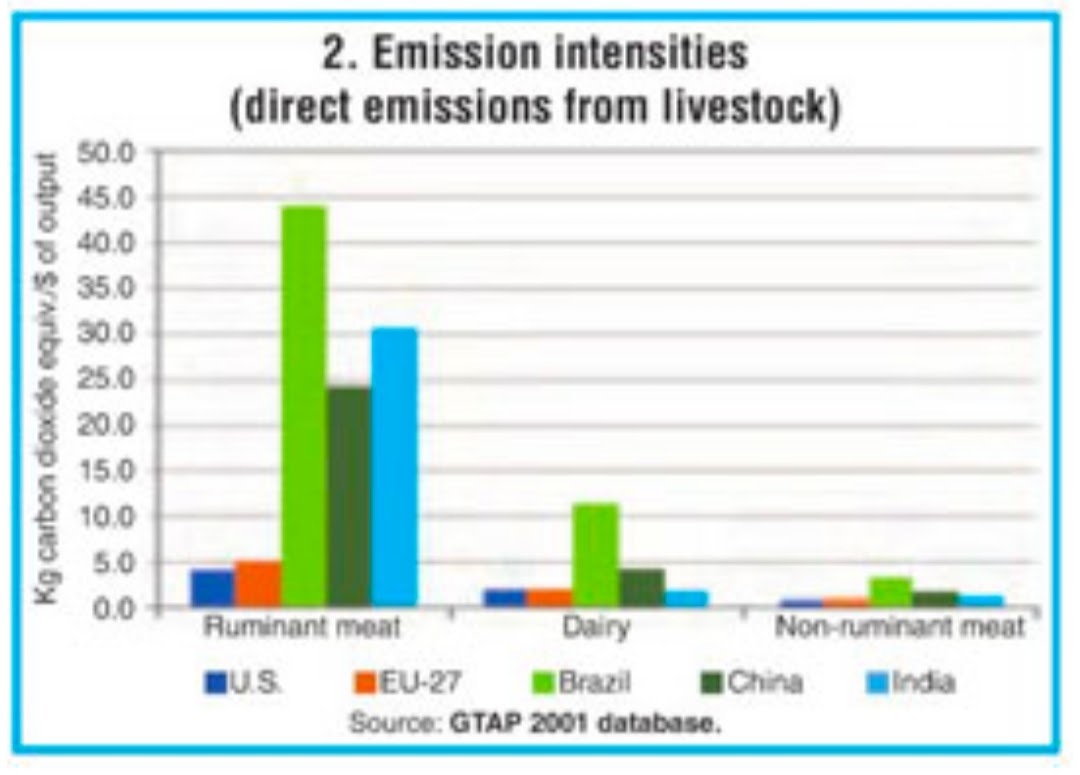
Brazil’s system leads to much more greenhouse gas emissions. As shown on the chart above, the US system produces less than 5kg of carbon dioxide per $ of ruminant meat. Brazil on the other hand creates a staggering 45 kg of carbon dioxide per $ of ruminant meat (1). This differential is significant and illuminates that there is so much more that needs to be done. It should also be noted that Brazil’s emissions in dairy, and non-ruminant meats are also noticeably higher than other producing countries. Modernizing Brazil’s production efficiency should be a top priority. With all the research out there, it is time to learn, adapt, and create change.
Beef Is A Fortune
Beef is one of the most environmentally costly foods on the planet. Cattle, which often weigh between 1,000 and 1,800 pounds, require a lot of food and water to reach that mass. In the wild, cattle prominently eat grass while industry raised cattle live in feedlots and are fed corn and soybean meals (5). This food being produced for cattle takes resources like water and pesticides, and emits its fair share of fossil fuels. In total, producing 1 pound of beef takes over 2000 gallons of water and emits 30 pounds of carbon dioxide (considerably worse than other forms of meat) (5). So, why do we continue to put so much of our resources into meat which is so environmentally costly? We continue to spend a fortune on beef because the demand is so high.
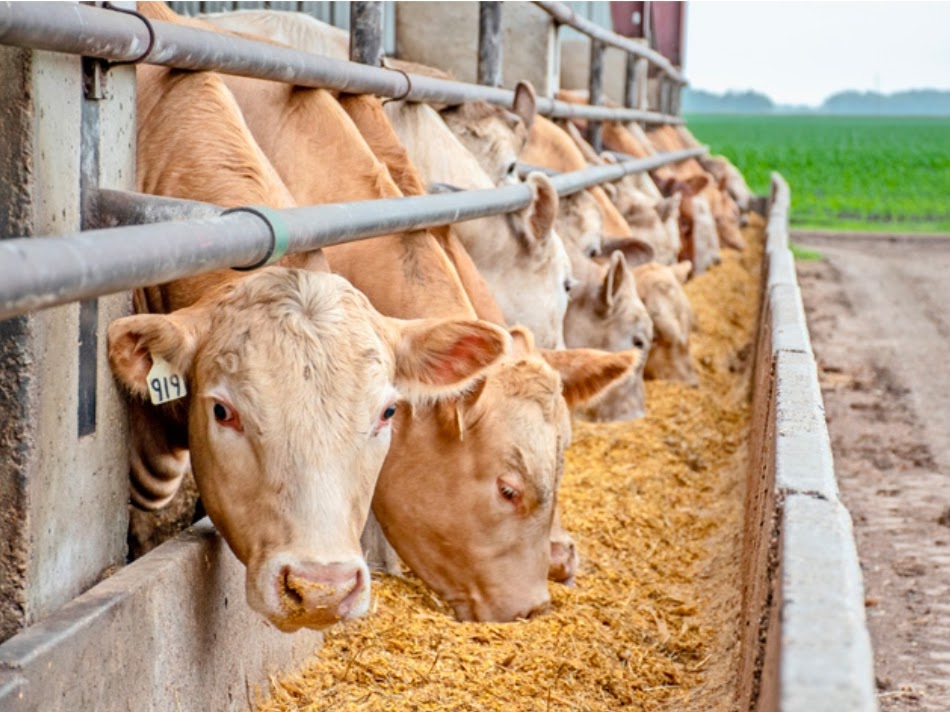
(18) This is an example of a feedlot system where cattle eat expensive corn or soybean based meals.
The demand and support we give to the beef industry is within our control. Walter Mille, a nutritionist at the public health school of Harvard University says, “eating beef raised on grain, produced in the Amazon is like coal-fuelled power plants- the worst thing you can do (9).” If beef consumers worldwide can cut ties from the Brazilian beef industry then they will be forced into changing their system. Combine this effort with reducing overall beef consumption and we can see some major shifts in sustainable beef production.
What Can Beef Consumers Do?
Everybody can take this issue into their own hands and help the process. Whether it’s to limit beef’s demand and production, or for health benefits, shifting to a plant based diet may be an answer to our beefy problems.
In recent years we have seen many people shift to a plant based diet. “Plant based meat could be a sustainable answer to global environmental concerns (8).” With this proposition comes a lot of skepticism, including if plants can provide all the needed nutrients and protein that are in meat. Tennis legend Novak Djokovic swears by a plant based diet, which has clearly provided enough nutrients for 21 Grand Slam Victories. If such a high level athlete can thrive on plant based food then we can implement more of it in our lifestyle as well.

(20) This is work class athlete Novak Djokovic enjoying a healthy plant based meal
Plant based diets do a lot of good things for our body. They are a source of vitamins, minerals, can help prevent diabetes, manage weight, and even help heart health. Eating meat does provide more protein and vitamin B12 than what you could get eating purely plant based (8). The diet I would recommend for most carnivores is a mixture of both meat and plant based foods. Alexandre Koberle, a researcher at Imperial college London, stresses that, “reducing meat intake as much as possible is already a significant contributor. We shouldn’t think of a vegan-or- nothing proposition.” When considering beef consumption, it’s about making limitations. Try to avoid ribeye steak grill outs twice a week, and eat it on a special occasion. I’ve begun to implement this ideology in my family. Steak tacos, stir fry, or a grill out was once a typical weekday meal. My mother and I are working to detour away from our historical eating habits for the betterment of our health and environmental health. We’ve found that convincing others like my father and two brothers has been difficult at times, but the more you do something the easier it is. I stress to everyone to work with us to find more sustainable eating practices. These practices, if they become routine, will change the demand for beef and create significant change in the beef industry.
How Things Can Turn Around
The Brazilian beef industry directly correlates to the destruction of the Amazon. This beef system’s lack of efficiency, criminal activity and issues that run throughout the whole supply chain have made it one of the most pressing issues in the world today. In order to achieve a more sustainable future, the problems in Brazil need to be addressed in a timely manner. But with so many issues focused on Brazil’s Amazon rainforest and its destructive beef industry, where do we place our energy in order to make a change? What can Brazilian ranchers do? What can the Brazilian government do? And, what can people around the world do?
There are Brazilian ranchers who are providing positive change in their methods and trying to spark a change within the Brazilian beef industry. Take Daniel Wolf for example, a second generation Brazilian farmer who runs his own silvopasture. A silvopasture is the integration of trees, vegetation, and livestock all on the same land. When these things work in harmony, soil fertility is improved, productivity is higher and carbon emissions are reduced. Wolf says, “The cattle, they produce CO2. But in the system that we integrate, the carbon is fixed in the wood and in the soil… You don’t have to have deforestation to have a farm with cattle.” Wolf’s methods and thought process shows there are Brazilians who have taken note of their own issue, and are trying to make a change. Wolf is providing inspiration and hope that more ranchers will do the same.
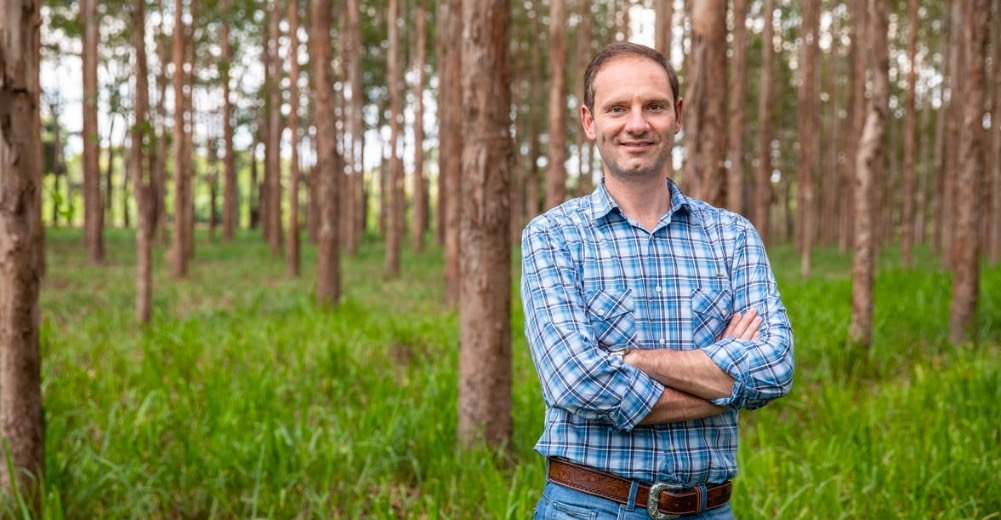
(27) This is Daniel Wolf, the owner of a silvopasture in Mato Grosso Brazil which has provided positive change to Brazilian Beef industry
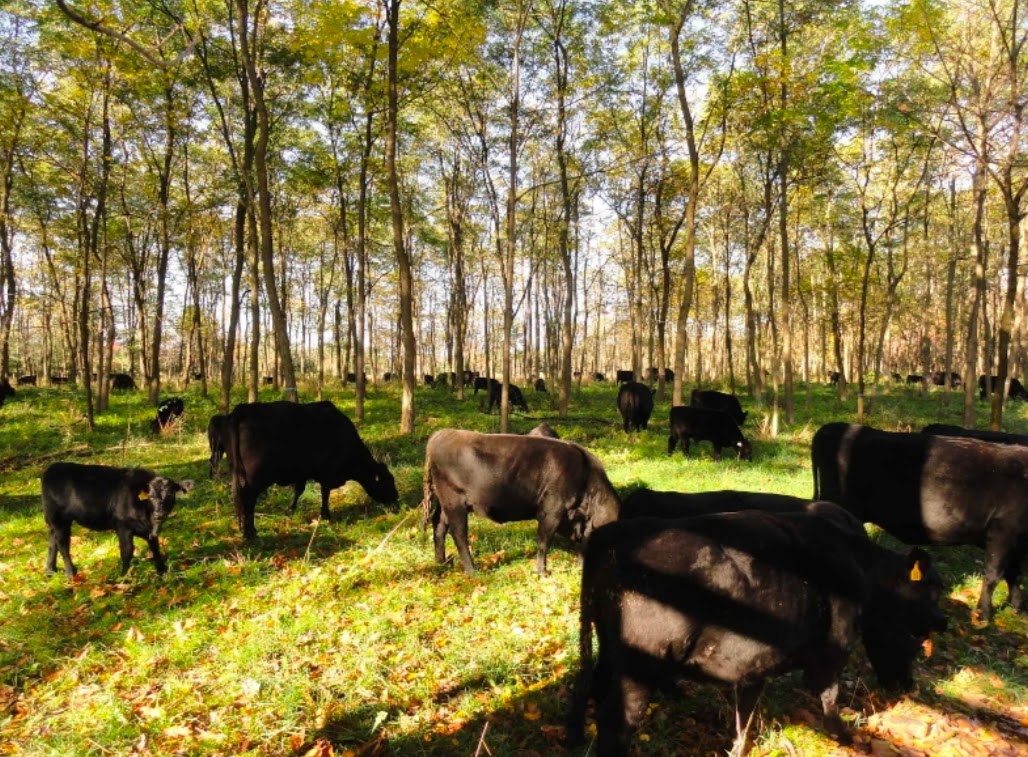
(29) This is an example of a silvopasture… The integration of trees, crops, and livestock
Additionally, the government must become more involved and organized. Their previous attempts at involvement have failed and even caused distress throughout the community. Government leaders, armed troops, and government agencies must work collectively, while keeping in mind the interest of their citizens. The national government needs to enforce laws especially regarding illegal deforestation, and raise the standards in regard to cattle productivity, efficiency and emissions. Specifically they should create laws requiring cattle origins. These origins would allow distributors and consumers to see where the cattle is from. This is an important first step in cutting ties with illegal deforestation.
American consumers need to distinguish where their beef comes from, and whether or not to purchase it. I believe that the US should cut ties from the Brazilian beef system and this starts with what beef people purchase. Do your best to buy locally. Supporting local businesses and purchasing beef from a more environmentally friendly place. If you go to a supermarket and don’t know where the beef is from, do research. If you still aren’t sure, it’s best to assume that they aren’t promoting the location for a reason, and put it back on the shelf.
Make a lifestyle change. Consuming less beef could be good for your health while also causing a shift in the beef production system. You can limit your consumption in a number of ways. Firstly, track how much beef you eat now and over time decrease your intake. If you are ambitious to make a huge change, going vegetarian or vegan is a good option as well. This will cause the demand for Brazilian beef to fall, thus the incentive to deforest the Amazon will fall as well… Collectively we can make the Brazilian beef industry’s footprint smaller and raise awareness worldwide. I believe that deforestation in the Amazon is common knowledge, but the primary cause of it needs to make major headlines. The cause is beef, and it’s up to us to make a change.
Sources:
(1)Smith, R. (2011, April 25). Food, climate trends clear: global demand for high-protein diets and a need for environmental sustainability requires high-tech, large-scale livestock production, for which the U.S. is a model. Feedstuffs, 83(17), 9. https://link.gale.com/apps/doc/A255655680/GRNR?u=bucknell_it&sid=bookmark-GRNR&xid=f072109a
(2)Roy, D. Deforestation of Brazil’s Amazon has reached a record high. what’s being done? Council on Foreign Relations. Retrieved September 18, 2022, from https://www.cfr.org/in-brief/deforestation-brazils-amazon-has-reached-record-high-whats-being-done?gclid=Cj0KCQjwvZCZBhCiARIsAPXbajuyq3tCudBd0qr6j0KInN-rDhRsag1hj3ylAI3-vMzhIPkUuuKFpiQaAo4aEALw_wcB
(3)The Amazon Is Still Burning. Blame Beef (and Bolsonaro) [Video]. (2019, October 6). NYTimes.com Video Collection. https://link.gale.com/apps/doc/CT602900824/GRNR?u=bucknell_it&sid=bookmark-GRNR&xid=f774aa94
(4) Deforestation. (2011). In D. S. Blanchfield (Ed.), Environmental Encyclopedia. Gale. https://link.gale.com/apps/doc/CV2644150360/GRNR?u=bucknell_it&sid=bookmark-GRNR&xid=1d48b66d
(5)Blackwell, A. H. (2020). Meat Industry. In Gale Environmental Studies Online Collection. Gale. https://link.gale.com/apps/doc/QDBDMX788973243/GRNR?u=bucknell_it&sid=bookmark-GRNR&xid=bca9c3bf
(6)McCoy, T., & Ledur, J. (2022, April 30). How Americans’ love of beef is helping destroy the Amazon rainforest. Washington Post, NA. https://link.gale.com/apps/doc/A702107819/GRNR?u=bucknell_it&sid=bookmark-GRNR&xid=691f5b9c
(7)animalequality. (2021, September 7). Why is Brazil burning? the meat industry exposed. YouTube. Retrieved October 3, 2022, from https://www.youtube.com/watch?v=u-893zNR6JA
(8)Richards, L.. Is plant-based meat healthy? pros and cons. Medical News Today. Retrieved October 17, 2022, from https://www.medicalnewstoday.com/articles/is-plant-based-meat-healthy#:~:text=Meats%20are%20rich%20sources%20of,contain%20cholesterol%20and%20saturated%20fat.
(9)Vetter, D. (2022, October 12). Got beef? here’s what your hamburger is doing to the climate. Forbes. Retrieved October 17, 2022, from https://www.forbes.com/sites/davidrvetter/2020/10/05/got-beef-heres-what-your-hamburger-is-doing-to-the-climate/?sh=f35d7405206f
(10)Biller, D. (2021, October 25). Brazil to seek zero deforestation by 2028, up from 2030. PBS. Retrieved October 17, 2022, from https://www.pbs.org/newshour/world/brazil-to-seek-zero-deforestation-by-2028-up-from-2030
(11)27, G. B. |A., Blogger, G., & Dreifus, C. (2019, September 6). Protecting the Amazon requires changing policy and eating less beef. State of the Planet. Retrieved November 10, 2022, from https://news.climate.columbia.edu/2019/08/27/amazon-rainforest-fires-beef-policy/
(12)Libera, C., Marote, S., & Horta, A. L. (2021, January 7). Brazil’s path to sustainable cattle farming. Bain. Retrieved November 10, 2022, from https://www.bain.com/insights/brazils-path-to-sustainable-cattle-farming/
(13)Zia, M., Hansen, J., Hjort, K., & Valdes, C. (n.d.). Brazil once again becomes the world’s largest beef exporter. USDA ERS – Brazil Once Again Becomes the World’s Largest Beef Exporter. Retrieved November 10, 2022, from https://www.ers.usda.gov/amber-waves/2019/july/brazil-once-again-becomes-the-world-s-largest-beef-exporter/
(14) Brice, J., & Rainforest Investigations Fellow. (2022, March 30). McDonald’s linked to Amazon deforestation in New report. Pulitzer Center. Retrieved November 16, 2022, from https://pulitzercenter.org/stories/mcdonalds-linked-amazon-deforestation-new-report?gclid=Cj0KCQiAsdKbBhDHARIsANJ6-jch9CX6iP1s-vjnJPANOeqKh1jkdPSogaxvML-nMTCJgLSBK2OyWKoaAgkFEALw_wcB
(15) Here are our top facts about the Amazon. WWF. (n.d.). Retrieved November 16, 2022, from https://www.wwf.org.uk/learn/fascinating-facts/amazon
(16) Unsustainable cattle ranching. WWF. (n.d.). Retrieved November 16, 2022, from https://wwf.panda.org/discover/knowledge_hub/where_we_work/amazon/amazon_threats/unsustainable_cattle_ranching/#:~:text=Cattle%20ranching%20accounts%20for%2080%25%20of%20current%20deforestation%20throughout%20the%20Amazon.&text=Habitat%20conversion%2C%20commonly%20referred%20to,future%20of%20the%20Amazon%20Biome.
(17) Heal, A., Wasley, A., Cutler, S., & Campos, A. (2019, December 10). Revealed: Fires three times more common in Amazon beef farming zones. The Guardian. Retrieved November 16, 2022, from https://www.theguardian.com/environment/2019/dec/10/revealed-fires-three-times-more-common-in-amazon-beef-farming-zones
(18) Myers, V. G. (2020, March 9). Cattle feeding and row cropping work together. DTN Progressive Farmer. Retrieved November 16, 2022, from https://www.dtnpf.com/agriculture/web/ag/livestock/article/2020/03/09/cattle-feeding-row-cropping-work
(19) Harris, N., & Gibbs, D. (2022, January 21). Quantifying Carbon Fluxes in forests: Global Forest Watch Blog. Global Forest Watch Content. Retrieved November 17, 2022, from https://www.globalforestwatch.org/blog/climate/forests-carbon-emissions-sink-flux/
(20) Morgan, S. (2020, February 2). Novak Djokovic reveals plant-based diet and role in hit Doc Game Changers. The US Sun. Retrieved November 17, 2022, from https://www.the-sun.com/sport/tennis/293943/novak-djokovic-reveals-his-incredible-plant-based-diet-and-why-he-signed-up-to-new-film-game-changers
(21)Watrous, M. (2020, April 2). Kroger’s March Sales Surge as shoppers stockpile. Food Business News. Retrieved November 17, 2022, from https://www.foodbusinessnews.net/articles/15745-krogers-march-sales-surge-as-shoppers-stockpile
(22) Smith, A. (2022, January 3). The untold truth of Safeway. Mashed. Retrieved November 17, 2022, from https://www.mashed.com/723507/the-untold-truth-of-safeway/
(23) Redman, R. (2022, March 2). Albertsons Announces Strategic Review of Company. Supermarket News. Retrieved November 17, 2022, from https://www.supermarketnews.com/retail-financial/albertsons-announces-strategic-review-company
(24) McGrath, M. (2021, July 14). Climate change: Amazon regions emit more carbon than they absorb. BBC News. Retrieved December 8, 2022, from https://www.bbc.com/news/science-environment-57839364
(25)Simpkins, K. (2022, March 21). How cattle ranchers in Brazil could help reduce carbon emissions. CU Boulder Today. Retrieved December 8, 2022, from https://www.colorado.edu/today/2022/03/17/how-cattle-ranchers-brazil-could-help-reduce-carbon-emissions#:~:text=But%20cattle%20ranching%20has%20a,of%20carbon%20dioxide%20each%20year.
(26)Conlen, M. (2021, July 15). How much carbon dioxide are we emitting? – climate change: Vital signs of the planet. NASA. Retrieved December 8, 2022, from https://climate.nasa.gov/news/3020/how-much-carbon-dioxide-are-we-emitting/
(27)YouTube. (2019, December 29). Silvopasture – how raising beef cattle and trees together can help the planet. Planet Of Plenty. Retrieved December 8, 2022, from https://www.youtube.com/watch?v=OInXB92lSik
(28)Brice, J. (2022, January 21). How the beef industry is fueling deforestation, destruction in Brazil’s Amazon. Bloomberg.com. Retrieved December 8, 2022, from https://www.bloomberg.com/graphics/2022-beef-industry-fueling-amazon-rainforest-destruction-deforestation/?leadSource=uverify+wall
(29)Hunter, A. (2021, April 17). What is silvopasture, and how does it work? Ashfount Investments. Retrieved December 8, 2022, from https://www.ashfount.com/sustainability/whats-silvopasture-and-how-does-it-work/
(30) Ingraham, C. (2019, August 27). Analysis | how beef demand is accelerating the Amazon’s deforestation and climate peril. The Washington Post. Retrieved December 11, 2022, from https://www.washingtonpost.com/business/2019/08/27/how-beef-demand-is-accelerating-amazons-deforestation-climate-peril/